GameChangers Nigeria

GAME CHANGERS NIGERIA

When Good People Organise,
Nations Change.

Nigeria does not lack good people.
What we lack is organisation around values,
purpose, and disciplined action.


Join The Movement


Get The Book

7M+
Citizens To Inspire
36
States To Reach
100K+
Future Builders
1
Shared Vision

“When bad men combine, the good must associate,
else they will fall one by one.”

— Chief Obafemi Awolowo

OUR MISSION

Building A New Generation
Of Values-Driven Citizens.

We believe transformation begins when responsible people organise intentionally around leadership, economic empowerment, community influence, and sustainable impact.

Purposeful Leadership

Raising disciplined citizens who lead with character, vision, and responsibility.

Economic Empowerment

Creating pathways for productivity, growth, and long-term opportunity.

Community Influence

Building networks of citizens committed to positive social transformation.

Sustainable Impact

Encouraging practical action that creates lasting national progress.

JOIN THE MOVEMENT

Build. Influence.
Grow.

This movement is powered by people who choose responsibility over complaints and contribution over cynicism.

  • Access empowerment programmes and resources
  • Connect with a growing national community
  • Build influence through meaningful participation
  • Create opportunities tied to real impact


Become A Member

AMBASSADOR PROGRAMME

Become A Builder
Of National Transformation.

Ambassadors help grow the movement thoughtfully while building influence, opportunities, and social impact.

  • Expand your leadership influence
  • Earn benefits through contribution
  • Shape a new national culture
  • Help inspire future generations


Become An Ambassador

FEATURED RESOURCE

The Game Changer
For National Transformation

A practical guide for Nigerians who want more than slogans — focused on leadership, economic empowerment, responsibility, and nation-building.


Buy The Book

If Not Us,
Who?
If Not Now,
When?

Nigeria will not be rebuilt by anger alone.
It will be rebuilt by organised, values-driven citizens.


Join The Movement

Together, We Build. Together, We Rise.

© GameChangers Nigeria


Discover Unlimited Potential with Our GC Peer-to-Peer Model!

Unlock various opportunities while connecting with like-minded individuals. Our peer-to-peer model empowers you to:

✔️ Build a connected economy
✔️ Collaborate and grow within a supportive community
✔️ Earn GC Point, your gateway to income here

Don’t wait—step into a world of possibilities today!

To become a Leader and Ambassador, Click Link Now 

Citizen-Led National Transformation

When Good People Organise,
Nations Change.

Nigeria does not lack good people.
What we lack is organisation around values, purpose, and action.

“When bad men combine, the good must associate, else they will fall one by one.”

— Chief Obafemi Awolowo

“Those who love peace must learn to organise as effectively as those who love war.”

— Martin Luther King Jr.

Inspiring 7 Million Nigerians to Build a Better Nation

Real change does not happen through endless complaints.
It happens when citizens build a better model together.

“You never change things by fighting the existing reality.
To change something, build a new model that makes the existing model obsolete.”

— R. Buckminster Fuller

GameChangers Nigeria exists to help responsible citizens organise, grow, lead, and create sustainable impact.

A Movement for Builders, Leaders & Thinkers

Purposeful Leadership

Raising responsible citizens who lead with values and discipline.

Economic Empowerment

Creating practical pathways for growth, opportunity, and productivity.

Community Influence

Building networks of citizens committed to positive change.

Sustainable Impact

Transforming lives through consistent action, learning, and collaboration.

We do not wait endlessly for change.
We organise, learn, build, and act.

Build • Influence • Grow

This movement is powered by people who decide to show up sincerely and contribute meaningfully.

  • Become part of a growing national community
  • Access free resources and empowerment programmes
  • Build social capital through meaningful relationships
  • Unlock future income opportunities tied to impact


Become a Member

Influence grows when responsibility grows.

Nigeria will rise when organised citizens begin to take responsibility for the future they desire.

Become a Game Changer Ambassador

Ambassadors are not noise-makers. They are builders.

  • Help grow the movement thoughtfully
  • Expand your influence and visibility
  • Earn points and sponsored benefits
  • Shape a new national culture

Participation is free.
Growth is by contribution.


Become an Ambassador

The Game Changer for National Transformation

A practical guide for Nigerians who want more than slogans.

  • Leadership
  • National Transformation
  • Economic Empowerment
  • Personal Responsibility


Buy the Book

If Not Us, Who?
If Not Now, When?

Nigeria will not be rebuilt by anger alone.
It will be rebuilt by organised, values-driven citizens.


Get Started Today

Together, we build.
Together, we rise.

Discover Unlimited Potential with Our GC Peer-to-Peer Model!

Unlock various opportunities while connecting with like-minded individuals. Our peer-to-peer model empowers you to:

✔️ Build a connected economy
✔️ Collaborate and grow within a supportive community
✔️ Earn GC Point, your gateway to income here

Don’t wait—step into a world of possibilities today!

To become a Leader and Ambassador, Click Link Now 


GAME CHANGERS AMBASSADOR PROGRAM

Building Impact, Community, and Sustainable Opportunity


A MOVEMENT BUILT ON IMPACT

Game Changers Nigeria exists for one clear reason: to help ordinary people create extraordinary impact—in their lives, their communities, and the nation.
No message of freedom is complete if people are not empowered to live with dignity, clarity, and abundance.
This is why we built an innovative reward-driven social enterprise model—not around selling products, but around building people and communities.

NEW OPPORTUNITY

Transform Your Life While Building a National Brand

This is a quiet opportunity for people who believe that:
  • Change is possible
  • Community is powerful
  • Impact and income can grow together
By becoming a Game Changer Ambassador, you join a growing network of people committed to advocacy, empowerment, and sustainable income—without noise, pressure, or gimmicks.

WHAT DOES A GAME CHANGER AMBASSADOR DO?

1️⃣ Follow & Learn (Free)

You receive empowering content—inspiration, leadership insight, purpose discovery, and financial wisdom.

2️⃣ Share What Matters

As content helps you, you naturally invite friends and people you trust to be part of the same journey.

3️⃣ Build Social Capital

Every person you help to enlist becomes part of your social capital on this platform. Your influence grows as your network grows.
Those you enlist are not numbers. They represent trust, relationship, and leadership.

HOW GROWTH WORKS (SIMPLY)

  • There is no product to sell
  • There is no payment to join
  • There is no advertising cost
  • There are no special skills required
  • Any location in Nigeria works
You simply help people get enlisted freely, and as the platform expands:
  • You climb levels of influence
  • You earn points tied to participation
  • You benefit from future empowerment and sponsored programmes
To get enlisted and help others, use this link: ENLISTMENT THROUGH THIS LINK https://gamechangersnigeria.org/enlistments/

WHY THIS WORKS

We have already invested millions of naira to bring this project to life:
  • Strategy & labour
  • Design & branding
  • Content creation
  • Technology & systems
  • Ongoing support
You are not starting from scratch. We have done the heavy lifting. You step into a working system.

A SYSTEM THAT KEEPS GIVING

Think of it like this:
Owning a cow does not require daily hunting. You nurture it, and it keeps producing.
That is how systems work. Your level of involvement determines your long-term benefit. Just like franchises such as Coca-Cola, Shoprite, or KFC, this model allows you to build within an existing structure—and grow with it.

IS THIS FOR YOU?

Ask yourself:
  • Do you want meaning beyond 8–5 work?
  • Do you want to be more in control of your life?
  • Do you desire additional income streams?
  • Do you want to build a retirement-friendly future?
  • Do you want an online-enabled lifestyle?
If yes, this platform gives you a starting point.

OUR STORY (WHY WE BELIEVE)

We are everyday Nigerians. We have faced the same struggles, disappointments, and system failures. But we refused to give up. Our work—books, public lectures, radio programmes, and national conversations—proves one thing:
When people decide to rise, no force can stop them.
If this conviction resonates with you, you belong here.

WHY THIS PLATFORM CAN CREATE VALUE

Society always welcomes systems that offer:
  • Improvement
  • Empowerment
  • Opportunity
This is why we are confident in this model. Not because of promises— but because value creates demand, and demand creates opportunity.

OUR CORE DRIVE

FREEDOM • ABUNDANCE • RESPONSIBILITY

The cost of building this platform runs into millions of naira, offered as our contribution toward national transformation—so that you can grow by simply participating and inviting others freely. ENLISTMENT THROUGH THIS LINK https://gamechangersnigeria.org/enlistments/

FINAL INVITATION

This project is new. It is different. It steps outside brutal competition and noisy hustles. It is built on:
  • Community
  • Purpose
  • Shared growth

ENLISTMENT THROUGH THIS LINK

  Be enlisted today Build quietly. Grow responsibly. Impact deeply.

Discover Unlimited Potential with Our GC Peer-to-Peer Model!

Unlock various opportunities while connecting with like-minded individuals. Our peer-to-peer model empowers you to:

✔️ Build a connected economy
✔️ Collaborate and grow within a supportive community
✔️ Earn GC Point, your gateway to income here

Don’t wait—step into a world of possibilities today!

To become a Leader and Ambassador, Click Link Now 

THE GAME CHANGERS STUDENT LEADERSHIP & ACADEMIC EXCELLENCE PROGRAMME

OVERVIEW

PROGRAMME PROPOSAL DOWNLOAD HERE


It is an excellent material. What you have is rich content; with an instructional architecture, learner experience design, assessment structure, and delivery economics so that schools and subscribers clearly feel and measure the value; a value that exceeds what’s paid for it.

It is a comprehensive, step-by-step blueprint premium online course for schools and students, focused on leadership and academic excellence.

It is structured into 7 clear layers.


1. CLARIFYING THE COURSE IDENTITY (VERY IMPORTANT)

A. Course Positioning (What it is REALLY selling)

This course is not just leadership content. It is:

A Student Transformation System
Mindset + Purpose + Focus + Character + Performance + National Responsibility

For schools and parents, the value proposition is:

  • Improved academic discipline
  • Strong character formation
  • Reduced negative behaviours (truancy, cultism, apathy)
  • Early leadership grooming
  • Clear life direction for students

THE NAME OF THE PROGRAMME 

  • The Game Changers Student Leadership & Academic Excellence Programme (SLAEP)
  • Subtitled: Peak Performance for Students: Life, Leadership & Learning Excellence

B. Target Audience

Tier Audience Use Case
Tier 1 Junior Secondary (JSS) Identity, habits, discipline
Tier 2 Senior Secondary (SSS) Purpose, focus, performance
Tier 3 Student Leaders / Prefects Leadership, responsibility
Tier 4 Teachers / Coordinators Train-the-trainer

Same content, different framing and activities.


2. TURN “LENSES” INTO A FORMAL COURSE STRUCTURE

A. Course Macro-Structure

Duration Options (choose one):

  • 2 terms programme (crash intensity programme)
  • 3 Term-based

NOTE: The school also make money from it. The school charge any suitable amount every term.

B. Recommended Structure

Course = 4 PHASES


PHASE 1: FOUNDATION (Mindset & Identity)

Who am I? Why do I matter? How do I think?

Modules

  1. Your Thought Pattern
  2. Beyond School – A Purpose-Driven Life

Outcome

  • Students shift from passive learners → intentional learners
  • Clear internal motivation

PHASE 2: PERFORMANCE (Focus & Learning Systems)

How do I learn, improve, and perform better?

Modules 3. Focus & Specificity
4. Effective Use of Feedback
5. Major Setbacks to Learning & Advancement

Outcome

  • Improved study habits
  • Personal accountability
  • Reduced excuses

PHASE 3: CHARACTER & LEADERSHIP

Who am I becoming while I succeed?

Modules 6. Character Development – Attitudes of Top Performers
7. Competition vs Creativity
8. Modeling Excellence (I & II)

Outcome

  • Integrity
  • Confidence
  • Leadership maturity

PHASE 4: APPLICATION & LEGACY

How do I apply this to life, school, and nation?

Modules 9. Goal Setting & Action Plans
10. Enterprise, Gratitude & Service
11. Planting Trees (Legacy Thinking)

Outcome

  • Real-world application
  • Nation-building mindset
  • Social responsibility

3. CONVERT EACH MODULE INTO A “COURSE UNIT”

Each Lens becomes a repeatable learning experience, not just reading material.

A. Standard Unit Design

Every module have:

  1. Text Lessons (5–10 mins each)
  2. Reflection Exercises
  3. Practical Assignments
  4. Peer or Group Discussion
  5. Assessment / Checkpoint
  6. Real-life Application Task

Example: Lens 1 – Your Thought Pattern

Unit Breakdown

Text 1:

  • Why Thoughts Shape Destiny
    (Story-based, Nigerian examples)

Text 2:

  • Thoughts → Actions → Results

Text 3:

  • Replacing Negative Thought Patterns

Activity

  • Thought Audit Worksheet
  • “One-week mindset challenge”

Discussion

  • “How thoughts affect academic performance”

Assessment

  • Short quiz (5 questions)
  • Reflection submission

Application

  • Students document one changed habit for 7 days

This is what turns content into value.


4. DESIGN IT FOR SCHOOLS (NOT JUST INDIVIDUALS)

Schools need structure, safety, and measurability.

A. School-Friendly Features

  • Weekly timetable (30–60 minutes) or inject to extracurricular activities.
  • Group-based learning (clubs, classes)
  • Teacher or coordinator dashboard
  • Printable worksheets
  • Clear behavioural outcomes

Each school gets:

  • A private group
  • Weekly lesson access
  • Monthly challenges
  • Leadership tasks
  • Programme-end certificates

5. ASSESSMENT & CERTIFICATION (THIS ADDS VALUE)

Parents and schools LOVE proof.

A. Assessment Types

  • Weekly reflection tasks
  • Behavioural self-assessment
  • Group projects
  • Final “Life & Leadership Plan”

B. Certification Levels

  • Certificate of Participation
  • Certificate of Leadership Development
  • Outstanding Game Changer Award

Certificates signed by Game Changers Nigeria
(This increases institutional trust)


6. DELIVERY FORMAT

A. Platform Setup

The materials are hosted on our website at gamechangersnigeria.org:

  • Subscribing schools will be trained on how to use the tools.

B. Content Repurposing (VERY IMPORTANT)

From ONE module you get:

  • Text Lessons
  • Activities
  • Discussion questions
  • Trainers instructions

This keeps the programme alive and visible.


7. PRICING & VALUE JUSTIFICATION

A. Pricing Models (Schools)

Model Price Logic
Per Student Affordable bulk
Per School Annual licence
Sponsored NGO / Government

Example:

  • ₦2,500 per student per year which also cover for their programme-end certificate
  • ₦₦100k registration per school
  • Note: The school earn by charging the students per term for the entire year.

B. Why It’s Worth Paying For

You are offering:

  • Character education (rare)
  • Leadership grooming (early)
  • Academic mindset coaching
  • Nation-building orientation
  • Behavioural transformation

This is far beyond a textbook.


8. WHAT MAKES THIS A “PREMIUM” COURSE

To justify subscriber value:

✅ Clear learning journey
✅ Measurable outcomes
✅ Real-life application
✅ Community & belonging
✅ Recognition & certificates
✅ Moral and national relevance

Discover Unlimited Potential with Our GC Peer-to-Peer Model!

Unlock various opportunities while connecting with like-minded individuals. Our peer-to-peer model empowers you to:

✔️ Build a connected economy
✔️ Collaborate and grow within a supportive community
✔️ Earn GC Point, your gateway to income here

Don’t wait—step into a world of possibilities today!

To become a Leader and Ambassador, Click Link Now 

OPTIMIZING THE GAME OF WEALTH … TOWARDS FINANCIAL FREEDOM USING PEER-TO-PEER SYSTEM OF INFLUENCE

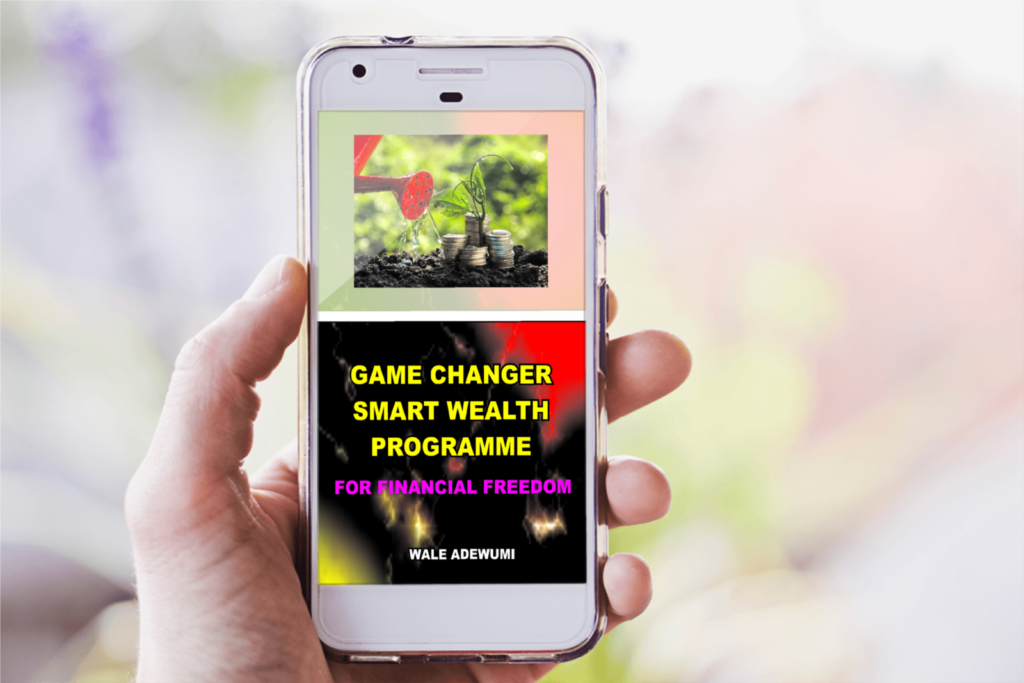
Optimising Wealth Creation Image

Unlock financial freedom through a revolutionary peer-to-peer wealth creation model. This program empowers individuals to maximise wealth potential by rethinking financial strategies and adopting actionable insights for growth.

Our system builds foundational knowledge in finance, business, and investment, transforming mindsets to foster a productive economy. This is not just education—it’s a lifestyle shift.

Leverage this program to create multiple income streams, grow your wealth, and transition from consumerism to productivity-driven financial independence.

Investment Tiers:

  • Level 1: Digital Program & Social Enterprise Access – ₦10,000
  • Level 2: VIP Social Enterprise Program – ₦25,000
  • Level 3: Personalised Business Coaching
  • Level 4: Corporate Executive Package

TRANSFORMATIVE CONTENT YOU’LL DISCOVER:

STEP-WISE CATEGORIES

GAME CHANGERS SMART WEALTH

Cost: ₦10,000 – Includes digital access and 3 months mentoring. Learn financial freedom strategies through self-paced modules.

GAME CHANGERS VIP MASTERCLASS

Cost: ₦25,000 – 9-month program with 1-on-1 coaching to establish sustainable wealth-building systems.

EXECUTIVE & CORPORATE PROGRAM

Cost: ₦100,000/year – Tailored for professionals and organisations to maximise income potential through financial tools and scalable strategies.


Everyone starts with our 3-Month Starter Pack (₦10,000), which includes mentoring and online content.

Make Payment Below:


Or Pay via:

FIREWORD RESOURCES
Access Bank: 0040126306

Our coaching and mentoring programs are delivered online with intensive monitoring and feedback to ensure maximum impact.

NOTE: This programme is tailored to achieve financial freedom, a life of productivity and wealth. Certificates of completion are available for all programs.

Send Proof of Payment to:
WhatsApp Phone: +2348033750871
Email: [email protected]

Invest in your future today!

Discover Unlimited Potential with Our GC Peer-to-Peer Model!

Unlock various opportunities while connecting with like-minded individuals. Our peer-to-peer model empowers you to:

✔️ Build a connected economy
✔️ Collaborate and grow within a supportive community
✔️ Earn GC Point, your gateway to income here

Don’t wait—step into a world of possibilities today!

To become a Leader and Ambassador, Click Link Now 

Chapter 6 (9): Electoral Reform


For any government truly committed to making a positive difference, electoral reform is essential. A free and fair electoral process is the foundation of raising credible leadership that can drive national progress. In Nigeria, however, we have long witnessed a flawed system where ballot snatching and vote manipulation often determine the winners, leaving little room for integrity in the selection of leaders.

An illustrative comparison can be made with Nigeria’s banking sector. Over the years, banks in the country have become robust and secure, implementing layers of technological and procedural measures that protect funds and build trust among the public. The average Nigerian has faith in the banking system, knowing that their money is safe. Unfortunately, the same cannot be said of the electoral process, where irregularities, vote-buying, and fraud are still rampant.

The integrity of elections is crucial. No nation can claim to have a functional democracy when its elections are marred by malpractice. Technology, which has successfully safeguarded the banking sector, could be employed to secure the electoral system. Biometric voter identification, digital ballot tracking, and secure voting systems are just some examples of how technology could be used to safeguard the process. Nigeria, as Africa’s largest economy, has the resources to build a voting system as secure and trustworthy as its banking system.

Globally, countries like Estonia have set remarkable examples. Estonia has implemented a highly secure internet voting system, allowing citizens to cast their votes online with confidence in the system’s integrity. Similarly, Brazil uses electronic voting machines in its national elections, drastically reducing the chances of vote tampering and ensuring that election results are swiftly and transparently counted.

The moment Nigerians begin to trust their electoral process is the moment the journey towards good governance truly begins. A rigged election can never lead to competent leadership. Those who resort to underhanded tactics like ballot snatching or bribing electoral officials will not serve the nation’s best interests once in office. They are beholden to the same cabals and power brokers who helped them secure their positions, and their primary loyalty will always lie with these groups, rather than the people.

A prime example is seen in Nigeria’s political history. The concept of “godfatherism,” where powerful individuals back certain candidates financially and politically, has long undermined the autonomy of elected officials. Once in office, these leaders find themselves constrained by the demands of those who sponsored them. They cannot implement reforms or act in the nation’s interest if it conflicts with the interests of their backers.

For genuine change, Nigeria must adopt an electoral system that minimises the influence of such actors. This requires independent electoral bodies, free from manipulation, and a system that harnesses the power of modern technology. Imagine a Nigeria where voters could securely cast their votes from anywhere in the country, with their identity verified through biometric data, and the results transparently counted in real-time, reducing the opportunities for interference.

Countries like Ghana have made strides in electoral transparency, having improved their electoral processes over the years to the point where elections are widely seen as fair and credible. While challenges remain, their efforts to improve voter registration and implement new voting technologies have earned praise from international observers. Similarly, in India, the introduction of the Electronic Voting Machines (EVMs) has significantly reduced fraud and made elections more efficient.

Electoral reform is the cornerstone of good governance. For Nigeria, using technology to secure elections, and making the process transparent are all vital steps toward building a democracy that truly reflects the will of the people. Leaders who ascend to power through a credible process are more likely to be responsive to the needs of their citizens and act in the best interests of the country.

Discover Unlimited Potential with Our GC Peer-to-Peer Model!

Unlock various opportunities while connecting with like-minded individuals. Our peer-to-peer model empowers you to:

✔️ Build a connected economy
✔️ Collaborate and grow within a supportive community
✔️ Earn GC Point, your gateway to income here

Don’t wait—step into a world of possibilities today!

To become a Leader and Ambassador, Click Link Now 

Chapter 6 (6): Boosting Agriculture: A Key to Addressing Bad Governance

Investments in agriculture are fundamental to the well-being of citizens, particularly in developing nations. In many African countries, including Nigeria, the population is often content with the basics, meaning that addressing fundamental needs like food security can significantly reduce unrest and dissatisfaction. To alleviate tensions and promote stability, ensuring that food is readily available for the common man must become a priority for any government.

One of the most effective ways to address unrest in Nigeria is by ensuring food availability for all citizens. The government must create a conducive environment with policies that promote large-scale cultivation and animal rearing. This approach should lead to sufficient food for domestic consumption and surplus for export, bolstering the economy. Given Nigeria’s vast natural resources and significant human capital, achieving this should not be a challenging task. The key lies in properly harnessing these resources and directing efforts towards providing food security for everyone.

Countries like Brazil have demonstrated the positive impact of prioritising agriculture. Brazil, once reliant on food imports, transformed into one of the world’s largest exporters of agricultural products by investing in modern farming techniques and infrastructure. The Brazilian government collaborated with international organisations and private sectors to develop agricultural research and training, resulting in a thriving agribusiness sector. Nigeria can learn from this model by embracing modern technology and empowering local farmers.

In contrast, Nigeria has faced chronic challenges in its agricultural sector, largely due to the diversion of funds, corruption, and a lack of commitment from leadership. Despite the country’s rich fertile land and favourable climate, agriculture remains underdeveloped. A glaring example is the mismanagement of funds intended for agricultural projects. Programmes like the Agricultural Transformation Agenda (ATA), which were designed to boost food production, have been marred by inefficiencies and many of such organisations are enmeshed in fund misappropriation, preventing them from reaching their full potential.

The well-known saying, “A hungry man is an angry man,” holds true. When citizens are left hungry, governments run the risk of fuelling unrest and civil disobedience. Food insecurity in many parts of the world has been linked to increased violence, protests, and even political instability. A pertinent example is the Arab Spring, where food shortages and rising prices were significant contributors to the uprisings. In Nigeria, food scarcity could similarly incite social unrest, as the population grows increasingly frustrated with the inability of their leaders to meet their most basic needs.

Governments have a responsibility to prioritise food security. In Ethiopia, for instance, the government has made concerted efforts to boost agricultural production by supporting smallholder farmers and investing in rural infrastructure. These initiatives have not only reduced hunger but have also contributed to economic growth. Nigeria, with its vast arable land and youthful population, could similarly transform its agricultural sector and create millions of jobs, boosting the economy and reducing poverty.

Additionally, improving agricultural output can reduce Nigeria’s dependence on oil, a sector that has proven volatile and unreliable in recent years. Diversifying the economy through agriculture can offer a more stable foundation for long-term development.

To sum up, neglecting food security is a grave oversight and a mark of poor governance. Ensuring the availability of food through significant investment in agriculture is not only a solution to hunger but also a way to curb civil unrest and promote national stability. Nigeria’s leaders must commit to this essential sector, providing the necessary resources and frameworks to allow for large-scale agricultural success. Only then can the country move towards real progress and stability.

Discover Unlimited Potential with Our GC Peer-to-Peer Model!

Unlock various opportunities while connecting with like-minded individuals. Our peer-to-peer model empowers you to:

✔️ Build a connected economy
✔️ Collaborate and grow within a supportive community
✔️ Earn GC Point, your gateway to income here

Don’t wait—step into a world of possibilities today!

To become a Leader and Ambassador, Click Link Now 

Chapter 6 (3): Decentralisation of Governance

This concept has been explored in my book, The Game Changer for National Transformation, but its importance warrants reiteration here. If Nigeria is to experience the full benefits of governance, decentralising the system of government is essential. Power needs to be moved closer to the people by empowering local tiers and granting each local unit, state, and region the autonomy to develop at their own pace. This approach would significantly reduce the financial resources funnelled to the federal government, but the benefit is clear: these resources would be more readily available at the grassroots, where the majority of the population resides.

The federal government’s role, under a decentralised system, would shift to creating frameworks, policies, and ideologies that provide guidance and support to the local units, while also ensuring national unity. However, overcentralisation has been a fundamental issue in Nigeria, leading to inefficiency and poor administration. The concentration of power and resources at the federal level has created a system where elected officials are often distracted by trivial issues, neglecting the critical matters they were elected to address. This centralised system has hindered progress, contributing to widespread corruption and ineffective governance.

Globally, decentralisation has been successfully implemented in countries like Switzerland and Canada, where regional governments are granted significant autonomy over local matters, allowing for tailored development strategies that reflect the unique needs of each region. In Switzerland, for example, the cantonal system allows each canton to govern itself with considerable independence, resulting in a more efficient and responsive system of governance. In Canada, the federal structure allows provinces to manage their own affairs, particularly in areas like healthcare, education, and natural resources, while the central government focuses on national defence, trade, and foreign policy. This division of responsibilities fosters a more balanced and functional governance system.

In contrast, Nigeria’s overcentralisation has resulted in massive bureaucracy and a concentration of wealth and power at the top, stifling local development. The federal government is overburdened with responsibilities and resources that could be more effectively managed at the local level. The concentration of power has also created a toxic political environment where access to federal resources becomes the primary goal of political actors, often to the detriment of meaningful governance.

For instance, in Nigeria’s Niger Delta region, local communities have long demanded greater control over their resources, particularly oil revenues. The central government’s control over these resources has led to feelings of disenfranchisement and underdevelopment in the region. A decentralised system would allow the Niger Delta states to manage their resources more directly, leading to more equitable development and a reduction in the grievances that have fuelled conflict in the area.

One of the most damaging effects of overcentralisation is the creation of a culture where individuals must rely on the government for survival. In Nigeria, it has become nearly impossible for an average citizen to thrive without government involvement, as the central government controls key sectors of the economy and access to opportunities. This overreliance on the federal government stifles innovation, entrepreneurship, and private sector growth, which are crucial to national development.

In contrast, decentralisation would empower local governments and communities to take control of their destinies. This would foster an environment where citizens can contribute meaningfully to the economy without being hampered by bureaucratic red tape. A decentralised system would also allow local governments to address the specific needs of their populations, rather than waiting for directives from Abuja.

For Nigeria to progress, there must be a shift away from the current system of overcentralisation. The excessive concentration of power and resources at the federal level has only led to corruption, inefficiency, and a lack of accountability. Decentralisation would distribute power more equitably, empowering local governments and citizens to contribute to national development in a meaningful way.

Moreover, decentralisation could be the key to reducing corruption. With less money and power concentrated in the hands of a few at the top, there would be fewer opportunities for misuse of funds. Local governments, being closer to the people they serve, are more likely to be held accountable for their actions. This shift could lead to greater transparency and better governance overall.

Decentralisation is not just a political strategy—it is a necessity for the growth and prosperity of Nigeria. By empowering local communities and reducing the overbearing influence of the federal government, the nation can unlock its full potential. The wealth of a nation is, after all, the sum of the wealth of its citizens. When power and resources are shared more equitably, growth becomes inevitable, and with it, the progress and development that Nigeria so desperately needs.

Discover Unlimited Potential with Our GC Peer-to-Peer Model!

Unlock various opportunities while connecting with like-minded individuals. Our peer-to-peer model empowers you to:

✔️ Build a connected economy
✔️ Collaborate and grow within a supportive community
✔️ Earn GC Point, your gateway to income here

Don’t wait—step into a world of possibilities today!

To become a Leader and Ambassador, Click Link Now 

Chapter 5 (2): Some Areas Requiring Redressing

Some Areas Requiring Redressing

Plea Bargains for Corrupt Politicians

The issue of plea bargains for corrupt politicians is a significant factor contributing to the poor quality of leadership in Nigeria and many other countries. In Nigeria, it is commonly observed that leaders, knowing they can negotiate their way out of severe punishment, are emboldened to engage in large-scale embezzlement. The mindset among these leaders is clear: “Let us steal as much as we can, and when the time comes for accountability, all we need to do is offer an insincere apology and return a fraction of the stolen wealth as part of a plea bargain.”

This cynical approach to governance is not only damaging but has become almost institutionalised. There is a popular saying in Nigeria: “If you want to steal, steal big.” The rationale behind this saying is that if a politician embezzles a substantial amount, they will have enough resources to bribe judges and those tasked with investigating them. We live in an era where, metaphorically speaking, the judiciary has been struck blind by money, turning a blind eye to justice in exchange for financial gain.

This culture of plea bargaining has heightened the level of corruption and perpetuated bad governance in Nigeria. When politicians know they can escape harsh consequences by returning a small portion of their loot, they are more likely to indulge in corrupt practices. The result is a government that is unaccountable and leaders who prioritise personal gain over public service.

Globally, we can see similar patterns where plea bargains have led to a deterioration in governance. In countries like Brazil and South Africa, high-profile corruption cases involving plea bargains have allowed corrupt leaders to evade full accountability, which has, in turn, undermined public trust in the government and legal systems. For instance, in Brazil, several politicians involved in the “Operation Car Wash” scandal managed to negotiate plea deals, which led to reduced sentences despite their significant roles in corruption. This not only weakened the rule of law but also eroded citizens’ confidence in the justice system.

In South Africa, the Gupta family’s state capture scandal revealed the extent of corruption at the highest levels of government. Although some individuals involved have faced charges, plea bargains have often resulted in lenient sentences, allowing some culprits to retain their ill-gotten gains and continue exerting influence. This has contributed to ongoing issues of corruption and poor governance in the country.

For Nigeria to progress and for the government to be taken seriously on its promises of reform, it is imperative that the policy of plea bargaining is critically re-examined. The current system sends the wrong message: that crime does pay, and that those in power can always buy their way out of trouble. Instead of allowing those found guilty of embezzlement to negotiate their way out of justice, the government must ensure that they face the full weight of the law.

Only when corrupt politicians are held accountable without the option of a plea bargain will we begin to see a real change in governance. This approach would serve as a deterrent to others and signal that Nigeria is committed to becoming a nation where the rule of law prevails, and public office is a position of trust rather than an opportunity for personal enrichment. The time has come for the government to stop paying lip service to this issue and take decisive action to end the culture of corruption and impunity.

The Immunity Clause: A Barrier to Good Governance

There is a popular saying in Nigeria: “Become the president or governor, and you can do whatever you like.” This saying reflects a troubling reality in many countries where immunity clauses protect high-ranking officials, such as presidents and governors, from prosecution while they are in office. Such legal provisions open the door to mediocrity, corruption, and poor performance, as there is little incentive or fear of consequences to motivate these leaders to serve their people effectively. Those who advocate for these laws are often blind to the basic principles of accountability and justice.

Imagine if you owned a large enterprise and appointed someone to manage it, only to tell them that no one would question their actions, no matter what they did. It is inconceivable that any responsible business owner would do this, yet this is exactly what the immunity clause does for those who hold the highest offices in our land. Nigeria, a vast and complex enterprise, cannot afford to be run by individuals who are beyond the reach of the law and accountability.

The concept of immunity is not only a slap in the face to the citizens but also a breeding ground for leaders who lack the capacity and will to deliver on their responsibilities. When leaders know they cannot be held accountable for their actions while in office, they are more likely to indulge in corrupt practices, prioritise personal gain over public good, and disregard the well-being of their constituents. The result is a leadership culture where governance is reduced to self-serving pursuits, with little regard for the people they are supposed to serve.

This issue is not unique to Nigeria; it is a global problem with far-reaching consequences. In many countries, immunity clauses have led to a culture of impunity where leaders act with complete disregard for the law, knowing they are protected from prosecution. For example, in Russia, the immunity enjoyed by former presidents has been a contentious issue. Critics argue that such immunity has enabled leaders to engage in corrupt practices without fear of legal repercussions, thereby undermining democracy and the rule of law.

In Africa, countries like Zimbabwe have also struggled with the consequences of immunity for government officials. The long-standing rule of Robert Mugabe, who enjoyed immunity from prosecution, led to widespread corruption and economic decline. The lack of accountability allowed Mugabe and his allies to enrich themselves at the expense of the country’s citizens, with little fear of being held responsible for their actions.

Returning to Nigeria, the immunity clause has contributed to a political environment where leaders feel untouchable. The case of several former governors, who were shielded by immunity while in office only to face corruption charges after their terms ended, illustrates the dangers of this legal provision. The damage done during their tenure, however, often cannot be undone, and the suffering inflicted on the people remains.

To achieve meaningful progress and good governance, Nigeria must re-evaluate the immunity clause. Leaders must be held accountable from the moment they assume office, and the law should apply to everyone equally, regardless of their position. Only then can we hope to see a shift towards a more responsible, transparent, and effective governance system where the interests of the people are truly prioritised.

The time has come for citizens to demand accountability from their leaders, and for the legal framework to reflect the principles of justice and responsibility. Immunity clauses, as they currently stand, are a relic of a bygone era and have no place in a modern democracy that seeks to uphold the rule of law and the rights of its citizens.

The Quota System

The quota system in a federal structure, particularly as practised in Nigeria, has been a significant hindrance to effective governance. This system often prioritises the occupation of public offices by less qualified individuals from certain parts of the country over more competent candidates from other regions. The underlying principle is the so-called “federal character,” which dictates that various regions must be represented in government, irrespective of the qualifications or capabilities of the individuals selected.

This approach to governance neglects the fundamental truth that a chain is only as strong as its weakest link. Every part of the chain must be robust for the whole to function effectively. In Nigeria, the quota system has led to the occupation of key positions by individuals who lack the necessary competence, thereby weakening the entire governance structure. If the nation is to progress, it is imperative that we critically reassess the concept of federal character, making necessary amendments or, better yet, overhauling it entirely to allow for equal and competitive representation based on merit rather than regional origin.

The negative consequences of such a quota system are not unique to Nigeria; they can be observed in other federal systems around the world. For instance, in India, the reservation system, which is somewhat similar to Nigeria’s federal character principle, has led to debates about its impact on meritocracy and governance. While intended to uplift historically marginalised communities, this system has also faced criticism for promoting mediocrity in public offices and education, sometimes at the expense of more qualified individuals.

In Nigeria, the quota system has often led to situations where entire regions suffer underdevelopment because the individuals in charge lack the necessary skills and expertise. Instead of fostering national unity, this system has perpetuated mediocrity and stunted the growth of the country. It is not enough to merely occupy positions of power; those in power must be capable of leading effectively. Otherwise, the development of the entire nation is compromised.

True federalism should allow each region to manage its human resources independently, except in a few critical sectors where national interests demand a unified approach. By doing so, no region would be forced to undermine its own development by appointing incompetent individuals to key positions. Regions lacking in human capacity would naturally seek to attract the right talent to manage their resources effectively, thus ensuring that governance is driven by competence rather than mere representation.

It is perplexing why many still refuse to acknowledge the detrimental effects of the current quota system. As long as we continue to rely on federal character as the basis for employment and representation, we are effectively chaining the nation’s progress. This is a concept I explore in greater depth in my book, The Game Changer for National Transformation.

Ultimately, those who use restrictive and detrimental laws to hold others back will also find themselves unable to progress. It is high time we moved towards a system that values merit and competence, ensuring that the most capable individuals lead us forward, regardless of their regional origin. Only then can we hope to build a truly prosperous and united nation.


Discover Unlimited Potential with Our GC Peer-to-Peer Model!

Unlock various opportunities while connecting with like-minded individuals. Our peer-to-peer model empowers you to:

✔️ Build a connected economy
✔️ Collaborate and grow within a supportive community
✔️ Earn GC Point, your gateway to income here

Don’t wait—step into a world of possibilities today!

To become a Leader and Ambassador, Click Link Now 

Chapter 5: HOW POLICIES AND LAWS AFFECT THE GROWTH AND DEVELOPMENT OF NIGERIA

HOW POLICIES AND LAWS AFFECT THE GROWTH AND DEVELOPMENT OF NIGERIA

No matter how extensive the list of challenges Nigeria faces, they often stem from the nation’s laws and policies, which, rather than uplifting, seem to drag everyone down to maintain a fragile facade of federal unity. These subversive laws and policies have, over the years, fostered a culture of laziness and a lack of productivity, ultimately pointing to the presence of bad governance.

Laws and policies are the backbone of any nation’s development. They shape the economy, influence social behaviour, and determine the efficiency of governance. In Nigeria, however, these laws and policies have frequently been designed or implemented in ways that hinder rather than promote progress.

For instance, the centralisation of power in the federal government has led to inefficiencies and a lack of accountability. This over-centralisation prevents states and local governments from effectively addressing their unique challenges and exploiting their specific resources. The result is a one-size-fits-all approach that stifles innovation and localised solutions, contributing to underdevelopment in various regions.

A similar situation can be observed in other nations where policies have led to poor governance. For example, Venezuela’s economic policies, particularly the nationalisation of key industries and price controls, have led to a dramatic economic collapse. Instead of fostering growth, these policies created a dependency on government handouts, diminished productivity, and resulted in widespread poverty.

In Nigeria, the mismanagement of natural resources, particularly oil, is another glaring example of how policies can be detrimental. The failure to enact and enforce policies that promote transparency and equitable distribution of wealth has led to corruption, environmental degradation, and social unrest, particularly in the Niger Delta region. The neglect of this region, despite its contribution to the national economy, highlights the dangers of policies that favour certain groups or interests over others.

Moreover, Nigeria’s education policies have not effectively addressed the needs of the population. With outdated curricula, inadequate funding, and poor infrastructure, the educational system produces graduates who are often ill-equipped to meet the demands of the job market. This contributes to high unemployment rates and a cycle of poverty, further exacerbating the country’s development challenges.

Countries that have implemented progressive and inclusive policies tend to experience better governance and development outcomes. For example, Singapore’s transformation from a third-world country to a first-world nation within a few decades is often attributed to its effective governance and forward-thinking policies. These policies prioritised education, infrastructure development, and anti-corruption measures, creating an environment conducive to growth and prosperity.

The essence of leadership is not merely to hold power but to guide and redirect citizens along the right path. If citizens were capable of leading themselves without guidance, the need for leadership would diminish. However, the responsibility of making the right choices and ensuring that citizens abide by them rests on the formulation and implementation of appropriate policies and laws. When leaders lack the will to do what is evidently right, bad governance ensues.

In Nigeria, the impact of poor leadership and ill-conceived policies is evident in the lack of progress across various sectors. For the nation to realise its potential, there must be a concerted effort to reform its laws and policies, ensuring they are designed to promote productivity, accountability, and equitable development. Only then can Nigeria begin to overcome its challenges and embark on a path of sustainable growth.