CREATING A SWOT ANALYSIS FOR WORKPLACE EXCELLENCE AND PRODUCTIVITY

Objective
The goal is to help employees recognise their unique strengths, weaknesses, opportunities, and threats, fostering personal and professional development. This activity encourages proactive improvement, workplace productivity, and long-term contributions to nation-building.


Introduction
Employees operate within two major spheres:

  1. The Individual: Personal strengths, weaknesses, talents, and limitations.
  2. The Environment: Workplace dynamics, resources, relationships, and external pressures.

To achieve excellence, these two spheres must align, maximising individual potential while adapting to external conditions. The SWOT (Strengths, Weaknesses, Opportunities, Threats) analysis is a powerful tool to identify these factors and work towards personal and workplace growth.


Content

What is SWOT Analysis?

SWOT analysis is a structured approach for evaluating:

  • Strengths: Attributes or skills that give you an advantage.
  • Weaknesses: Areas that place you at a disadvantage.
  • Opportunities: External factors that can be leveraged to your benefit.
  • Threats: External challenges that could hinder growth or success.

Internal Factors

  1. Strengths:
    • What do you excel at?
    • Examples: technical skills, effective communication, creativity, problem-solving.
    • Activity: Write down at least five strengths relevant to your job.
  2. Weaknesses:
    • What areas require improvement?
    • Examples: lack of a specific skill, procrastination, or limited time management.
    • Activity: Identify weaknesses and prioritise those you can improve upon.

External Factors

  1. Opportunities:
    • What resources or situations can you leverage?
    • Examples: supportive colleagues, access to training, technological advancements.
    • Activity: List opportunities within your workplace or industry and how you can maximise them.
  2. Threats:
    • What external factors could limit your growth?
    • Examples: workplace competition, economic downturns, or poor communication networks.
    • Activity: Identify at least three threats and devise strategies to mitigate them.

Practical Steps to Building Workplace Excellence

  1. Leverage Your Strengths:
    Focus on areas where you excel and expand your influence. For example, if you’re great at public speaking, volunteer to lead team presentations.
  2. Work on Weaknesses:
    • Enrol in skill development programmes.
    • Seek mentorship to overcome specific challenges.
    • Delegate tasks in areas of lesser competence while improving gradually.
  3. Seize Opportunities:
    • Stay informed about workplace projects and participate actively.
    • Network with high-performing colleagues or industry professionals.
  4. Address Threats:
    • Develop unique skills to stand out.
    • Build resilience against workplace politics or negative influences.
    • Adopt creativity to handle competitive challenges effectively.

Activities and Exercises

  1. Self-Evaluation Exercise:
    Complete the following:
    • My Strengths: ________________________________________
    • My Weaknesses: ________________________________________
    • My Opportunities: ________________________________________
    • My Threats: ________________________________________
  2. Workplace Goal Alignment:
    • Identify a specific project or task and perform a mini-SWOT analysis to maximise your output.
  3. Collaboration Drill:
    • Work in groups to identify team strengths and weaknesses, then brainstorm opportunities for growth and strategies to mitigate threats.
  4. Creativity Workshop:
    • Host a session where employees tackle hypothetical workplace challenges using out-of-the-box solutions.

Nation-Building and Workplace Productivity
Excellence at work contributes directly to nation-building. Productive employees drive organisational success, which in turn fuels economic development. By improving individual and team performance, you:

  • Enhance the reputation and impact of your organisation.
  • Set benchmarks for industry standards.
  • Create a ripple effect of excellence that inspires others.

Conclusion
SWOT analysis is not just a tool for self-assessment but a roadmap for personal and professional growth. By identifying and leveraging your strengths, addressing weaknesses, exploring opportunities, and mitigating threats, you can achieve workplace excellence and contribute meaningfully to nation-building.

Call to Action:
Commit to conducting a SWOT analysis regularly. Remember, self-awareness is the foundation of success. Let’s strive for excellence, knowing that every effort counts toward building a better workplace and a stronger nation.

YOUR THOUGHT PATTERN: BUILDING WORKPLACE EXCELLENCE

Objective
To inspire employees to transform their professional and personal lives by reshaping their thought patterns, fostering focus, and adopting a growth-oriented mindset, all of which contribute to individual productivity and nation-building.


Introduction

Your thoughts shape your reality. Consider this: you cannot set out for Lagos from Ibadan and suddenly find yourself in Ilorin. In the same way, your thoughts must align with your desired outcomes. If you think of your job as a burden, you will never extract the growth opportunities it offers.

Changing your perspective is key. What if you began to see your job not as a grind, but as an opportunity to learn, grow, and scale upward? It all starts with your imagination and belief in possibility.


Key Concepts

1. The Power of Imagination

  • Imagination unlocks possibilities. The clearer and more vivid your thoughts, the stronger your ability to strive for success.
  • Challenges are surmounted not by sheer will, but by the creativity of an unfettered imagination.
  • Blocked imagination stifles growth. To achieve success, you must actively envision it.

Exercise:

  • Write down your thoughts about your current job. Are they growth-oriented or limiting?
    a. ___________________________________________________
    b. ___________________________________________________
    c. ___________________________________________________
    d. ___________________________________________________

2. Wishful Thinking vs. Focused Thinking

  • Wishful thinking lacks substance and action. Focused thinking, on the other hand, is purposeful and driven by a clear vision.
  • When you take up a job, define your long-term goals. Think about where the job can take you and align your present actions with your future aspirations.

3. Definiteness of Thought

  • Success requires clarity. A clear, definite thought is the foundation for realising your goals.
  • The lion, despite not being the fastest or strongest animal, is king because it is focused and determined. Similarly, focused thought allows you to maximise your potential and achieve extraordinary results.

Mantra for Focus:
“I am a lion. I am determined and focused. I will utilise my potential to the fullest.”


Application in the Workplace

1. Change Limiting Thoughts

Remove disempowering ideas like “I’m just an employee” or “This job isn’t worth it.” Replace them with empowering ones like “This job is my training ground for greatness.”

Activity:

  • Write down three limiting beliefs about your job and reframe them into positive, empowering statements.
    Example:
    • Limiting Belief: “This job is a dead end.”
    • Empowering Thought: “This job is a stepping stone to my success.”

2. Focus on Making an Impact

You may not have another job right now, so make the most of the one you have. By contributing value, you not only grow personally but also enhance your organisation, which is critical for nation-building.

Exercise:

  • Define your key focuses for your job:
    a. ___________________________________________________
    b. ___________________________________________________
    c. ___________________________________________________
    d. ___________________________________________________
    e. ___________________________________________________

3. Climb Higher in Thought

Paint a vivid picture of what you want to achieve until it becomes so exhilarating that you are ready to act. Create a personal vision board to visually represent your professional goals and use it as motivation to stay focused.


Thought Patterns and Nation-Building

Productive employees contribute to organisational excellence, which ultimately drives economic and social development. By cultivating positive, growth-oriented thoughts, employees can:

  • Improve workplace productivity and innovation.
  • Inspire colleagues, fostering a culture of excellence.
  • Play their part in building a stronger, more prosperous nation.

Group Activity:

  • Host a “Vision Workshop” where team members share their goals and brainstorm ways their individual contributions can support the organisation’s mission and nation-building efforts.

Conclusion

Your thoughts are the blueprint for your life. To excel in your job, focus your thoughts on growth, impact, and possibility. Remember, success begins in the mind. Clear, focused, and empowering thoughts are the foundation for achieving extraordinary results in your work and beyond.

Choose to be the lion in your workplace—focused, determined, and purposeful. What will you focus on today?

DEFINITENESS OF PURPOSE

Introduction
Definiteness of purpose is the cornerstone of success in any endeavour. It is the clarity of intent that drives focus, enhances productivity, and fosters excellence. In the workplace, a sense of purpose aligns employees’ efforts with organisational goals, while in life, it channels individual aspirations towards meaningful outcomes. When purpose extends beyond personal gains, it contributes to nation-building by inspiring selfless service and excellence in all spheres of life.


Understanding Your Purpose
Purpose is the “why” behind what you do. It encompasses your aspirations, responsibilities, and values. Defining specific purposes in various areas of life creates direction and focus.

Activity 1: Reflection on Life Goals
Take a few moments to list your specific purposes in the following areas:

  1. Career/Job
    a. ___________________________________________________
    b. ___________________________________________________
    c. ___________________________________________________
  2. Financial Stability
    a. ___________________________________________________
    b. ___________________________________________________
    c. ___________________________________________________
  3. Marriage/Relationships
    a. ___________________________________________________
    b. ___________________________________________________
    c. ___________________________________________________

Social Goals (Relationships and Responsibilities)
a. ___________________________________________________
b. ___________________________________________________
c. ___________________________________________________

Insight: When you define your purpose, you create a roadmap for your actions, ensuring that your efforts are directed towards achieving measurable goals.


The Role of Purpose in Workplace Excellence

  • A less skilled but focused employee often outperforms a highly skilled yet unfocused counterpart. Focus amplifies ability and ensures that all efforts are directed towards showcasing one’s capabilities.
  • Purpose aligns personal and organisational goals, creating synergy that drives productivity. Employees who work with purpose often find greater satisfaction and perform better than those working solely for financial rewards.

Activity 2: Focus Mapping Exercise

  • Identify areas in your job where you excel.
  • List distractions that hinder your performance.
  • Develop a plan to eliminate distractions and increase focus.

Purpose Beyond the Workplace
Purpose extends beyond the office to influence all areas of life. A purposeful individual is:

  • Selfless: Motivated to positively impact others, including colleagues, employers, and the community.
  • Resilient: Able to persevere through challenges because they see the bigger picture.
  • Inspirational: Influencing others through their drive and focus.

Example: Consider a nurse who sees her job not just as work but as a mission to improve lives. Her sense of purpose fuels compassion, enhances performance, and inspires her colleagues.

Activity 3: Purpose-Driven Team Exercise

  • As a team, define a shared purpose for your department.
  • Brainstorm ways to integrate that purpose into daily tasks.
  • Create a vision statement that aligns with the organisation’s goals and nation-building efforts.

Nation-Building Through Purpose
A purposeful workforce contributes significantly to nation-building by:

  • Driving Excellence: Employees who strive for personal excellence set industry benchmarks.
  • Promoting Ethical Practices: Purposeful individuals are more likely to uphold values and ethics.
  • Inspiring Collective Growth: When individuals see their work as part of a larger mission, it fosters a sense of unity and progress.

Key Takeaways

  1. Clarity of Purpose: Define your goals in life and at work.
  2. Focus: Channel your energy towards meaningful tasks.
  3. Selflessness: Use your purpose to positively impact others.

Mantra for Productivity:

  • I am focused.
  • I am driven by purpose.
  • I contribute to excellence and nation-building.

Conclusion
Definiteness of purpose is not just a personal tool; it is a transformative force that drives workplace excellence and nation-building. By identifying and committing to your goals, you not only achieve personal success but also contribute to the greater good of your organisation and community.

Challenge: Define your purpose today and align your efforts with it. The journey to excellence and nation-building starts with you!

BEYOND THE JOB – A PURPOSE-DRIVEN LIFE

Objective

To inspire employees to develop a life purpose beyond their workplace, understand the significance of purpose as a driver for productivity and excellence, and see how their work contributes to personal and national development. Employees without personal purpose often struggle to find meaning in their roles, which hampers workplace efficiency and overall fulfilment.


Introduction

Every creation, living or non-living, has a purpose. Purpose gives life direction and helps individuals align their goals with a larger vision.

Exercise:

  • Name 5 purposes of non-living things:
    a. ________________________________________________
    b. ________________________________________________
    c. ________________________________________________
    d. ________________________________________________
    e. ________________________________________________
  • Name 5 purposes of living things:
    a. ________________________________________________
    b. ________________________________________________
    c. ________________________________________________
    d. ________________________________________________
    e. ________________________________________________

Key Point: Purpose is never self-serving; it is always connected to serving others.


Content

The Power of Purpose

“If a man is called to be a street sweeper, he should sweep streets even as Michelangelo painted, or Beethoven composed music, or Shakespeare wrote poetry…”
― Martin Luther King Jr.

  • Purpose in the Workplace:
    Many employees approach their jobs with the sole intent of earning a salary. However, performance and satisfaction come from recognising the bigger purpose behind their roles.
  • Purpose Beyond Money:
    Income is a reward, not the ultimate reason for work. When employees focus on adding value and contributing to organisational goals, they become more fulfilled and successful.

Reflection Questions:

  1. What is your life purpose?
  2. What is your purpose on the job?
  3. What would your employer say is your reason for being on the job?
  4. What kind of legacy would you like to leave after leaving your job?

Connecting Purpose to Nation-Building

Purposeful employees drive organisational success, which contributes to national development. By fostering excellence in their roles, they help create a ripple effect of productivity, innovation, and growth.

Exercise:

  • Link Your Role to Nation-Building:
    Write down how your current job contributes to the organisation’s goals and how this impacts your community or nation:

Purpose Fuels Passion and Resilience

  • Employees with clear goals find it easier to stay committed, even in challenging times. Purpose helps them see beyond daily struggles and align their efforts with a larger vision.
  • Purposeful individuals also maintain better work-life balance as they connect their career goals with personal and societal values.

Exercise:

  • Purpose and Passion Mapping:
    Identify one task you enjoy at work and reflect on how it aligns with your long-term goals:

Practical Application

  1. Goal-Setting Activity:
    • Define one short-term goal for your current role.
    • Write one long-term personal goal connected to your career.
  2. Purpose Statement:
    Craft a personal purpose statement for your role:
    “My purpose in this job is to _____________.”
  3. Vision Board Exercise:
    Create a vision board that links your job to your personal life goals and the impact you wish to have on your organisation and community.

Conclusion

Purpose is the compass that guides individuals through their professional and personal lives. Without purpose, life becomes aimless and opportunities are missed. When employees align their purpose with their work, they not only excel in their roles but also contribute meaningfully to nation-building.

Mantra for the Workplace:

  • I have a purpose.
  • I contribute to excellence.
  • My work matters to the world.

Let purpose be your supreme navigation tool, and watch how it transforms your life and workplace into avenues for growth, excellence, and national development.

MAKE LIFE EXCITING: HAVE A GOAL

Objective
This session aims to inspire employees to find excitement in their jobs by aligning their personal goals with their workplace responsibilities, fostering excellence, and contributing to nation-building through productivity.


Introduction
Imagine a football match played for 90 minutes without goalposts. The players would soon lose motivation, the spectators would walk away, and the game would lose its purpose. Goals provide clarity, direction, and a measure of success. Similarly, in the workplace, a lack of clear objectives can lead to boredom, dissatisfaction, and mediocrity.


Content

The Power of Goals

  1. Purpose and Excitement
    • Goals give work meaning. They help employees see beyond routine tasks to the larger impact of their contributions.
    • Setting performance-based goals makes work more fulfilling than merely earning a salary.
  2. Resilience and Commitment
    • Goals inspire perseverance in challenging times. Thomas Edison, for example, persisted through over a thousand failures to invent the incandescent lamp because his vision kept him focused.
  3. Personal Ownership
    • When employees set personal goals, they become self-driven, reducing the need for external supervision.

Reflection Questions:

  • What excites you about your job?
  • What is your personal career goal?

The Link Between Passion and Productivity

  • Passion drives excellence. Employees who discover aspects of their jobs that align with their interests are more likely to excel.
  • Passionate workers naturally attract promotions and rewards as they go above and beyond expectations.

Exercise:

  • Passion Mapping Activity: Identify one area of your job that excites you and brainstorm how you can expand your involvement in this area.

Goals in Nation-Building

  1. Workplace Productivity
    • When employees excel in their roles, they contribute to the growth and stability of their organisations, which directly impacts the economy.
  2. Excellence as a Culture
    • Excellence inspires others and sets a benchmark for performance, driving progress across industries.

Team Exercise:

  • Vision Board Session: Collaboratively create a vision board showcasing how your team’s goals contribute to the organisation’s mission and the larger goal of nation-building.

Beyond Financial Rewards

  • Money is a reward, not the ultimate purpose of work. Employees should focus on creating value and pursuing excellence, as these often lead to promotions and increased earnings.
  • Aligning job goals with personal values leads to long-term satisfaction and growth.

Mantra for Excellence:
Repeat three times:

  • I bring value to my workplace.
  • I contribute to excellence in my organisation.
  • My goals drive me to succeed.

Conclusion
Goal-setting transforms work from a mundane obligation into an exciting pursuit. Employees who embrace goals and align them with their passions become more engaged, productive, and fulfilled. By fostering this culture, organisations can build stronger teams and contribute to nation-building.

Call to Action:
Find your passion, set your goals, and let your excellence inspire others. Remember, everything advances for an advancing person. What will your next step be?

CREATE STANDARDS AND EXCELLENCE


Objective:
To empower employees to establish personal and organisational standards of excellence, fostering workplace productivity, personal growth, and contributing to nation-building.


Introduction

Every great organisation thrives on its ability to identify and cultivate excellence. Do you have the capacity to distinguish between excellent workers and average-performing employees?

Think about the factors that set exceptional employees apart from the rest. Is it their discipline, creativity, resilience, or ability to go the extra mile? Recognising and embodying these traits is the foundation of excellence.

Take a moment to reflect:

  • What are the defining characteristics of excellent performers?


Content

Set Yourself Apart

Don’t just show up at work every day like everyone else. Strive to create and live by a personal standard of excellence. Let your work ethic, attitude, and outcomes reflect that you are unique.

Excellence isn’t achieved overnight; it’s a commitment to consistent improvement. Begin by defining your goals, identifying areas for growth, and aligning your actions with these aspirations.

Raise the Bar

When you set higher standards for yourself, you’ll stand out as someone who adds value to the workplace. Without these standards, you risk blending into mediocrity, becoming part of the crowd that merely goes through the motions.

Here’s an exercise:

  • Write down three areas in your work life where you can elevate your performance.


  • Develop an action plan for improving each area.


Understand Organisational Standards

Excellence isn’t just a personal journey; it’s also about aligning with your organisation’s vision.

Does your workplace have clear standards for:

  1. Performance?
  2. Communication?
  3. Teamwork?
  4. Innovation?

If these standards aren’t explicitly outlined, take the initiative to learn them. Seek guidance from senior colleagues or supervisors.

Ask yourself:

  • Are your personal standards aligned with your organisation’s?


Measuring Excellence

Standards are only effective if they are measurable. Ask yourself:

  • How do you measure your current performance?
  • How does your organisation evaluate excellence?

Take a moment to list three measurable indicators of excellence in your role:


Eliminating Mediocrity

One of the benefits of creating high standards is the natural elimination of distractions, low-value activities, and unproductive relationships. As you focus on excellence, you’ll find yourself in a space where only high-performing individuals and meaningful opportunities exist.

Reflect on this:

  • What habits or behaviours must you give up to pursue excellence?


  • Are there relationships that hinder your growth and should be reconsidered?


Activities and Exercises to Build Excellence

  1. Excellence Vision Board:
    • Create a visual representation of what excellence looks like for you in your current role. Include goals, inspirations, and motivational quotes. Place it somewhere visible to keep you focused.
  2. Daily Self-Assessment:
    • At the end of each workday, assess your performance. Ask yourself:
      • What did I do exceptionally well today?
      • What could I improve?
    • Write these down to track progress over time.
  3. Excellence Mastermind Group:
    • Form a small group with colleagues to discuss workplace challenges and share strategies for improvement. Learning from others can accelerate your growth.
  4. Nation-Building Projects:
    • Think of ways your role contributes to the larger goals of your organisation and nation. Participate in initiatives that focus on innovation, community service, or mentorship.
  5. Workplace Excellence Challenge:
    • Set a challenge with your team to achieve specific performance milestones. Celebrate achievements to foster a culture of excellence.

Conclusion

Building workplace excellence is a journey of self-awareness, discipline, and purpose. By creating high standards and consistently working to exceed them, you not only elevate yourself but also inspire those around you.

Excellence in the workplace contributes to the larger goal of nation-building. It’s not just about personal success—it’s about collectively making a difference.

Take the first step today: Define your standards, measure your progress, and commit to becoming a beacon of excellence.


THE LAW OF CAUSE AND EFFECT: DEFINING THE ROOT CAUSE FOR WORKPLACE EXCELLENCE

Objective

To enable employees understand that behind every outcome—whether success or failure—lies a cause. This awareness will help foster workplace excellence, productivity, and nation-building.


Introduction

Imagine walking into a dense forest and stumbling upon a magnificent building, standing tall and intricate, with no signs of construction nearby.
What would your first thought be?

  • Was it built by accident?
  • Did it simply appear on its own?
    Of course not! Every creation has a creator, every result has a process, and every effect has a cause.

In the same vein, workplace outcomes—whether productive or subpar—do not occur by chance. They are the result of deliberate or neglected actions, strategies, and attitudes.


Content

The First Principle: For Every Effect, There Is a Cause
Every success or challenge in the workplace has its roots. Understanding this is key to addressing underperformance or sustaining excellence. For example, poor workplace performance rarely arises overnight. It is often the result of unresolved issues such as:

  • Lack of knowledge or expertise.
  • Poor team dynamics.
  • Resistance to feedback and new ideas.
  • Ineffective planning and execution.

Questions to Reflect On:

  • How do I approach my daily tasks?
  • What skills do I bring to the table?
  • Am I in the right team or environment to thrive?
  • Do I accept feedback and adapt?

The Danger of Excuses
Excuses are the enemy of progress. The moment we justify underperformance with excuses, we close the door to improvement. High achievers consistently overcome obstacles by identifying root causes and addressing them head-on.


Practical Exercise 1: Self-Assessment

Take a moment to evaluate areas of your life that may need improvement. Identify possible causes of low performance across key areas:

Workplace:

Finance:

Relationships/Marriage:

These areas often influence one another. For instance, financial stress can affect work performance, and workplace frustrations can spill over into personal relationships.


The Principle of Input vs Output

The law of cause and effect underscores that the quality of output is determined by the quality of input. In a work context:

  • The person who puts in more focused hours and learns new skills will outperform the one who sticks to the bare minimum.
  • A team that invests in proper planning, collaboration, and innovation will achieve better results than one that remains reactive.

Reflection Question:
What additional effort or sacrifice can you make to excel in your role?


The Role of Documentation in Sustained Success

Documenting processes, successes, and failures is crucial to improvement. By keeping a record of what works and what doesn’t, you can refine strategies and avoid repeating past mistakes.

Activity 2: Workplace Documentation Practice

  1. Identify one success and one failure in your work over the past month.
  2. Write down the key factors that led to the success and the root cause of the failure.
  3. Create a simple action plan to replicate the success and address the failure.

Nation-Building Through the Cause and Effect Principle

Nigeria, like many organisations, often struggles with the same issues repeatedly—poor leadership, inadequate planning, and resource mismanagement. Applying the law of cause and effect to nation-building requires:

  1. Acknowledging Past Failures: Identifying systemic issues without excuses.
  2. Documenting Lessons Learned: Recording strategies that have worked in the past and understanding why they succeeded.
  3. Investing in the Future: Empowering individuals with the skills, tools, and mindset to build a better future.

As we strive to build strong organisations and a thriving nation, we must embrace accountability, intentionality, and learning from both successes and setbacks.


Conclusion

The law of cause and effect teaches us that excellence is not accidental—it is the result of deliberate choices and actions. By understanding and addressing root causes, we can improve workplace productivity, strengthen relationships, and contribute to national development.

Remember: Success is predictable when the right inputs are made. What will you do differently today to create a better tomorrow?

Introduction to the Modules


“Sharpening the Axe: Building Workplace Excellence and Productivity”
“If I only had an hour to chop down a tree, I would spend the first 45 minutes sharpening my axe.” – Abraham Lincoln

Workplace excellence begins with preparation. Just like Abraham Lincoln’s timeless analogy, investing time in preparation and skill-building is crucial for achieving success and avoiding setbacks. When employees fail to meet performance expectations, it often leads to disengagement, fear, and even job loss. These moments can be terrifying, but they also provide an opportunity to reflect, regroup, and rebuild.

The Harsh Reality of Underperformance

Imagine being fired or witnessing someone being let go. The fear is palpable: “How will I pay my bills? Where do I start again? Will I succeed in my next job?” These thoughts can be overwhelming. However, the truth remains—no one is born ineffective. With the right guidance and mindset, every individual can evolve into a high-performing employee.


My Story: From Near Failure to Excellence

Close to two decades ago, I faced an imminent sack during my first year at a multinational company. The Chief Operating Officer was furious, and my immediate boss distanced himself from me. It was one of the darkest moments of my life. Thankfully, a compassionate superior from the Headquarters intervened, asking a few key questions that shifted my perspective. His mentorship transformed my approach, enabling my team and I to achieve top performance ratings within two years.

The lessons from that experience taught me the importance of mentorship, workplace principles, and adaptability. High performance is not about innate talent—it’s about understanding and applying the right principles.


Creating a Culture of Excellence for Nation-Building

Workplace productivity is directly linked to national development. A disengaged and underperforming workforce stalls economic growth, while a motivated and skilled workforce drives progress. In Nigeria, the average workforce has yet to adopt a culture of performance excellence, contributing to low productivity and stifled development.

Yet, every individual is wired to aspire, grow, and achieve more. The challenge lies in breaking free from unproductive habits and embracing growth-oriented practices. This manual provides actionable strategies to help employees become the drum majors of excellence in their organisations.


Core Principles of Workplace Excellence

  1. Understanding the Job
    Each workplace has its unique rules and expectations. Employees must invest time in understanding these dynamics and aligning their efforts with organisational goals.
  2. Skill Development
    Workplace performance often requires skills beyond what formal education provides. Continuous learning and adaptability are key to staying relevant and effective.
  3. Time Management
    Managing time efficiently is a hallmark of a high-performing employee. Prioritising tasks, setting goals, and avoiding procrastination are critical habits.
  4. Mentorship
    Guidance from experienced professionals can accelerate growth and help employees navigate workplace challenges effectively.

Practical Activities for Transformation

This content and subsequent ones under Workplace Excellence can be delivered in interactive workshops or meetings to foster engagement and transformation:

Session Structure (45 minutes):

  • 5 minutes: Introduction—The Lincoln Analogy and its relevance to workplace success.
  • 5 minutes: Storytelling—Sharing the personal anecdote or other people’s experiences.
  • 20 minutes: Presentation—Key principles of workplace excellence as discussed in given module
  • 15 minutes: Activities and Exercises:

Follow-Up Discussion:
Conclude with a Q&A session to address specific challenges and encourage employees to apply the principles discussed.


A Call to Action

This manual isn’t just about becoming an effective employee—it’s about creating a new culture. By fostering a culture of excellence, we can collectively contribute to national growth and development. As you embrace the lessons in this guide, you will awaken the greatness within you, inspiring those around you and driving meaningful change.

Remember: No one wants to lose a peak-performing employee. Strive to become indispensable by continuously sharpening your axe and aiming for excellence in everything you do.


This expanded version integrates actionable insights and activities while emphasising the link between individual productivity and nation-building.

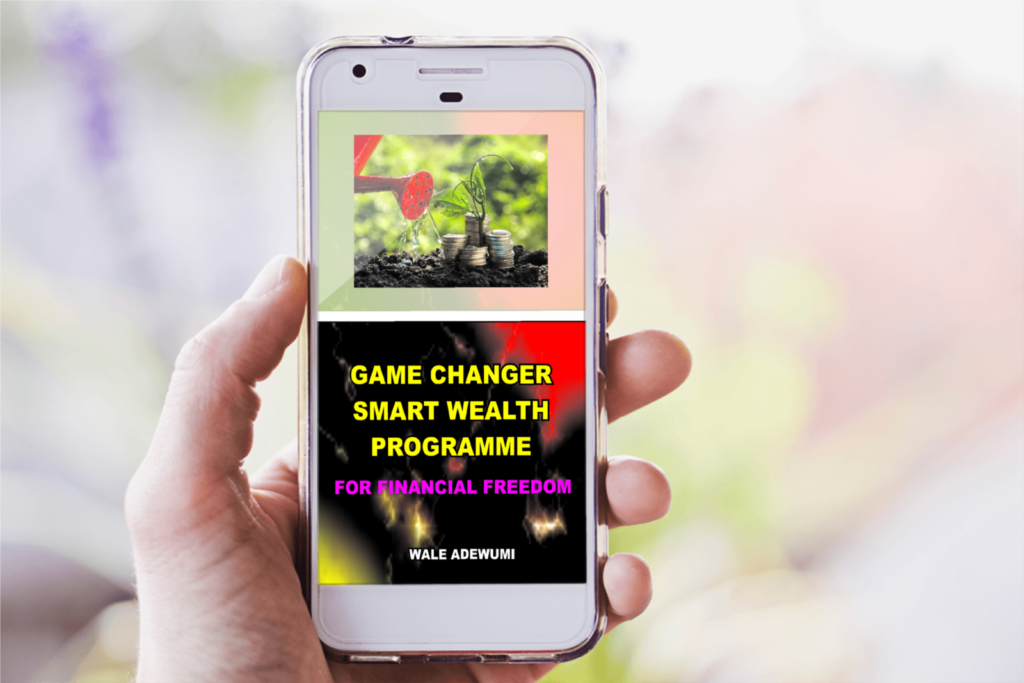
OPTIMIZING THE GAME OF WEALTH … TOWARDS FINANCIAL FREEDOM USING PEER-TO-PEER SYSTEM OF INFLUENCE

Optimising Wealth Creation Image

Unlock financial freedom through a revolutionary peer-to-peer wealth creation model. This program empowers individuals to maximise wealth potential by rethinking financial strategies and adopting actionable insights for growth.

Our system builds foundational knowledge in finance, business, and investment, transforming mindsets to foster a productive economy. This is not just education—it’s a lifestyle shift.

Leverage this program to create multiple income streams, grow your wealth, and transition from consumerism to productivity-driven financial independence.

Investment Tiers:

  • Level 1: Digital Program & Social Enterprise Access – ₦10,000
  • Level 2: VIP Social Enterprise Program – ₦25,000
  • Level 3: Personalised Business Coaching
  • Level 4: Corporate Executive Package

TRANSFORMATIVE CONTENT YOU’LL DISCOVER:

STEP-WISE CATEGORIES

GAME CHANGERS SMART WEALTH

Cost: ₦10,000 – Includes digital access and 3 months mentoring. Learn financial freedom strategies through self-paced modules.

GAME CHANGERS VIP MASTERCLASS

Cost: ₦25,000 – 9-month program with 1-on-1 coaching to establish sustainable wealth-building systems.

EXECUTIVE & CORPORATE PROGRAM

Cost: ₦100,000/year – Tailored for professionals and organisations to maximise income potential through financial tools and scalable strategies.


Everyone starts with our 3-Month Starter Pack (₦10,000), which includes mentoring and online content.

Make Payment Below:


Or Pay via:

FIREWORD RESOURCES
Access Bank: 0040126306

Our coaching and mentoring programs are delivered online with intensive monitoring and feedback to ensure maximum impact.

NOTE: This programme is tailored to achieve financial freedom, a life of productivity and wealth. Certificates of completion are available for all programs.

Send Proof of Payment to:
WhatsApp Phone: +2348033750871
Email: [email protected]

Invest in your future today!

Chapter 8 (3): What Great Leaders Across Have In Common


Great leaders, regardless of their cultural, social, or geographical background, share several key traits and qualities that enable them to inspire, influence, and lead others effectively. Here are some common characteristics that define great leaders across the world:

1. Vision


Great leaders have a clear and compelling vision for the future. They are able to see beyond the present challenges and create a roadmap to success. Whether it’s political leadership, corporate governance, or social movements, leaders like Nelson Mandela, Martin Luther King Jr., and Steve Jobs all had visionary ideas that motivated others to follow them.

2. Integrity


Integrity is a cornerstone of leadership. Leaders with strong moral principles and a commitment to honesty build trust and credibility with their followers. For example, Mahatma Gandhi’s unwavering commitment to truth and non-violence garnered him global respect and following.

3. Empathy


Great leaders understand and care about the emotions, needs, and aspirations of their people. They are able to connect on a personal level, making their followers feel valued. Leaders like Jacinda Ardern, the Prime Minister of New Zealand, have shown how empathy, especially during crises, can strengthen a leader’s connection to the people.

4. Resilience


Challenges are inevitable in leadership, and great leaders possess resilience to bounce back from setbacks. Leaders like Winston Churchill, who led Britain through World War II, demonstrated incredible resilience in times of adversity, continuing to inspire hope and determination in their followers.

5. Adaptability


The ability to adjust to changing circumstances is vital for leadership. Great leaders are flexible, willing to pivot when needed, and open to learning and new ideas. Barack Obama, for instance, adapted to the changing political and social landscape, embracing technology and social media to engage with a broader audience.

6. Decisiveness


Effective leaders make decisions with confidence and clarity, even under pressure. Indecisiveness can create uncertainty, while decisive leaders like Margaret Thatcher, former Prime Minister of the United Kingdom, were able to make tough decisions and stand by them, shaping the future of their nations.

7. Communication


Great leaders are skilled communicators who can articulate their vision, rally support, and inspire action. They convey their messages with clarity and passion. Leaders like John F. Kennedy and Nelson Mandela were able to move millions with their speeches, turning words into powerful tools for change.

8. Commitment to Development


Leaders with a genuine interest in developing others help cultivate new generations of leaders. They mentor, coach, and provide opportunities for personal and professional growth. In the business world, leaders like Bill Gates have focused on education and development both within and beyond their organisations.

9. Courage


Courage is required to take risks, challenge the status quo, and make unpopular but necessary decisions. Great leaders like Rosa Parks, who stood against racial segregation in the U.S., exhibited tremendous courage in the face of great opposition, ultimately catalysing social change.

10. Humility


Despite their achievements, many great leaders remain humble, recognising that leadership is about serving others rather than wielding power. Leaders such as Nelson Mandela and Pope Francis demonstrate humility by putting the well-being of others before their own ego or personal interests.

11. Inspiration


Great leaders inspire action and belief. Through their passion and commitment, they motivate others to work towards a shared goal. Leaders like Malala Yousafzai, who fights for girls’ education globally, inspire millions by their personal stories of courage and perseverance.

12. Emotional Intelligence


Leaders with high emotional intelligence are aware of their emotions and the emotions of those around them. This allows them to manage interpersonal relationships judiciously and empathetically. Emotional intelligence is key for leaders like Satya Nadella, CEO of Microsoft, who has been praised for fostering a more empathetic and inclusive company culture.

13. Focus on the Greater Good


True leaders look beyond personal gain and focus on the collective benefit. They are driven by a mission to improve the lives of others. Leaders like Ellen Johnson Sirleaf, the former President of Liberia, who helped rebuild her country after years of civil war, exemplify a commitment to the greater good.

Great leaders share these fundamental traits, regardless of their field or culture. Their ability to combine vision, integrity, resilience, and empathy allows them to lead with purpose, leaving a lasting impact on their followers and society as a whole. By fostering these qualities, they build not just organisations or nations, but movements that inspire progress and development for generations to come.

Global Examples of Nations That Rise Out of the Rubbles of Bad Governance

1. South Africa’s Transition from Apartheid:


In the 1990s, South Africa did not dismantle its apartheid system through violence. Instead, leaders like Nelson Mandela pushed for negotiation, reconciliation, and systematic reforms. The result was the peaceful transition to a democratic state, dislodging decades of institutionalised oppression.

2. Singapore’s Rise from Poverty:


Singapore, once a poor and resource-limited country, transformed into a global economic hub under the leadership of visionary leaders like Lee Kuan Yew. This was achieved through strategic planning, investment in education, and zero tolerance for corruption—proving that the right leadership can drive a nation towards prosperity without resorting to force.

3. Rwanda’s Post-Genocide Reconstruction:


After the 1994 genocide, Rwanda’s leadership, under Paul Kagame, focused on national unity, development, and empowerment rather than revenge. Through systematic reforms and anti-corruption policies, Rwanda became one of the fastest-growing economies in Africa, showing how transformative leadership can rebuild even after immense tragedy.

These examples highlight that sustainable change comes from deliberate and visionary leadership, not from violence or destruction.

Conclusion:


A nation can never rise above the calibre of leaders in its corridors of power. If nothing is done, countries led by bad leaders will continue to languish under the burdens of corruption, oppression, and mismanagement. The struggle under bad governance will persist, hindering progress, and keeping the nation mired in stagnation.

However, it is never too late to enact change, even where bad governance thrives. Forward-thinking individuals with a clear vision and framework for a better nation must begin to converge and shape the country’s future. Without their intervention, bad leaders will continue to drag the nation down into ruin.

It is important to remember that change does not require violence or destruction of life and property. Instead, a systematic transformation of mindsets, coupled with empowerment and organised productivity, can foster the emergence of a new breed of leaders. These new leaders, equipped with integrity and vision, will naturally displace the ineffective and corrupt ones who currently hold power.

To transform the narrative of any country, it is unnecessary to resort to archaic methods of brutality or aggressively attack those who disagree with your vision. Rather, by advancing superior strategies, fostering value, and spreading virtues across society, the existing bad leaders will collapse under the weight of their own inadequacies. We must abandon unproductive tools, no matter how widespread they are globally, as they have never yielded sustainable positive results over time.

When there is unity and a collective resolve to build, nothing can stop progress.

So, what do you have to contribute to make the nation a better place to live in?