Chapter 4 (6): Boycotting as a Resistance Tool

Boycotting as a Resistance Tool

Instead of viewing the government as an all-powerful entity, citizens aiming to exercise their freedom should unite, generate ideas, and develop opportunities. By creating viable alternatives and boycotting government-provided options, they signal a growing parallel influence, compelling the government to negotiate. This approach doesn’t mean breaking laws but creating self-sustained systems outside governmental control.

For a boycott to work, citizens must first establish functional alternatives. Mahatma Gandhi’s successful boycott of British salt and textiles demonstrates this. In Nigeria, for instance, citizens could develop healthcare or educational cooperatives, which could then pressure the government to respond and improve services. When the populace takes proactive steps to become less dependent on governmental structures, it forces leaders to either adapt or risk irrelevance.

The power of a well-executed boycott lies in its ability to shift influence, making the government obsolete in certain sectors until they are forced to acknowledge the people’s demands. This model of self-reliance and citizen-driven development could inspire systemic change.

Examples of Boycotts from the Global Communities

To successfully effect change, it is often necessary to go beyond the usual methods of protest, such as demonstrations and petitions. Boycotts, which involve withdrawing support from businesses, institutions, or nations, can be a powerful tool to achieve the objectives of a movement. Throughout history, numerous global communities have demonstrated the effectiveness of boycotts in driving change.

One of the most iconic examples is the Montgomery Bus Boycott in the United States in 1955. Sparked by Rosa Parks’ refusal to give up her seat to a white passenger, this boycott was a pivotal event in the Civil Rights Movement. For over a year, African Americans in Montgomery, Alabama, refused to use public buses, significantly affecting the city’s revenue. This peaceful protest led to a Supreme Court ruling that segregation on public buses was unconstitutional, marking a major victory for the movement.

Another powerful example is the anti-apartheid movement in South Africa. International boycotts, particularly of South African goods, were instrumental in putting economic and political pressure on the apartheid regime. The boycott of South African products, combined with sanctions and divestment campaigns, isolated the country from global trade and forced the government to negotiate the end of apartheid. This international effort showcased the impact that collective economic withdrawal can have on an unjust system.

In the UK, the Boycott, Divestment, and Sanctions (BDS) movement against Israeli occupation of Palestinian territories is another modern example. This movement encourages individuals and organisations to withdraw financial support from companies and institutions complicit in the oppression of Palestinians. Over time, the BDS movement has gained traction across Europe and beyond, influencing corporations and academic institutions to rethink their investments and relationships, highlighting the power of economic protest in advancing human rights.

Boycotting is not just about economics; it is also a form of symbolic resistance. It unites people in a common cause, illustrating their collective strength. For example, in India, during the struggle for independence from British colonial rule, Mahatma Gandhi led a boycott of British goods, particularly textiles. By refusing to purchase British products and promoting the use of locally produced goods, Gandhi and his followers weakened the economic grip of the British Empire, galvanising the Indian independence movement.

The effectiveness of boycotts lies in their ability to create both economic pressure and moral scrutiny. They force businesses, governments, and institutions to confront the consequences of their actions by directly affecting their revenue and reputation. When organised strategically, boycotts can shift public opinion, attract media attention, and make it clear that unethical behaviour will not be tolerated.

In recent years, digital platforms and social media have enhanced the reach and impact of boycotts. Movements can now spread rapidly across borders, mobilising global communities in a way that was previously unimaginable. Whether it is the boycott of fast fashion brands accused of exploiting workers, or companies that contribute to environmental degradation, the power of collective consumer action has never been stronger.

Ultimately, boycotts serve as a reminder that power lies in the hands of the people. When we withdraw our support from those who perpetuate injustice, we send a strong message that change is not just desired—it is demanded. By strategically boycotting, communities can achieve meaningful results, making it an indispensable tool in the broader spectrum of protest and resistance.

Discover Unlimited Potential with Our GC Peer-to-Peer Model!

Unlock various opportunities while connecting with like-minded individuals. Our peer-to-peer model empowers you to:

✔️ Build a connected economy
✔️ Collaborate and grow within a supportive community
✔️ Earn GC Point, your gateway to income here

Don’t wait—step into a world of possibilities today!

To become a Leader and Ambassador, Click Link Now 

Chapter 4 (4): Regional protest

Regional protest

This type of protest calls for greater boldness and direct confrontation with the central government. In such a scenario, regions would organise protests not just to express grievances, but to actively protect their resources and influence how they are governed. This approach implies that a region must take the initiative to establish a common platform for progress and development, focusing on self-reliance and local empowerment.

In this context, I am not referring to regions attempting to display hollow supremacy or seeking ways to exploit the resources of the central government. Rather, I am advocating for regions that are prepared to harness their God-given resources and put them to constructive use. This involves taking responsibility for local development, rather than waiting for handouts from the centre.

Moreover, this approach implies that those elected to represent a region at the national level must be committed to advancing the developmental agenda of their region. Representatives who fail to embody these ideals should not expect to secure future votes. This is about holding leaders accountable to the people and ensuring that they serve the interests of regional progress rather than their own ambitions.

This is not about regional strategies designed to exploit the rest of the nation. Instead, it is about crafting regional strategies that unlock potential, both locally and internationally, for the benefit of the citizens. When regions focus on utilising their own resources effectively, it fosters healthy competition among regions. Rather than dragging each other down, regions that are lagging behind will feel the pressure to rise to the challenge and improve themselves, propelling the entire nation forward.

This model of regional advancement rejects the outdated approach of constantly begging the central government for assistance. It is based on the belief that each ethnic group and region within our nation has immense potential to build a world-class community and society. However, as long as we continue to look to the federal government for handouts, we will remain trapped in a cycle of dependence and underdevelopment.

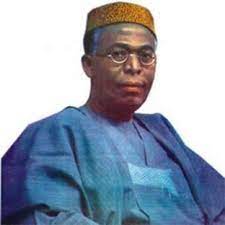
Obafemi Awolowo’s Regional Development and Impact in Nigeria

Chief Obafemi Awolowo, a Nigerian statesman, politician, and nationalist, is widely remembered for his visionary leadership and the transformative impact he had on regional development in Nigeria, particularly in the Western Region during the pre-independence and early post-independence periods. As the Premier of the Western Region from 1954 to 1959, Awolowo implemented a series of groundbreaking policies that laid the foundation for modern development in the region and influenced the nation as a whole.

Vision for Regional Development

Awolowo’s approach to governance was rooted in his belief that regional development was crucial to the overall progress of Nigeria. He understood the unique challenges and opportunities that each region presented and tailored his policies to address the specific needs of the Western Region. His development agenda was centred on education, infrastructure, healthcare, industrialisation, and social welfare. Awolowo believed that these areas were the keys to unlocking the potential of the Western Region and driving economic and social progress.

Free Primary Education

One of Awolowo’s most significant contributions was the introduction of free primary education in the Western Region in 1955. This policy was revolutionary at the time and aimed at providing every child with access to basic education. The initiative dramatically increased school enrolment rates and literacy levels in the region, creating a generation of educated citizens who would go on to contribute to the region’s development.

This bold step in education set the Western Region apart from other regions in Nigeria, which had yet to prioritise mass education. Awolowo’s emphasis on education established the Western Region as a leader in intellectual and professional development, producing a high number of doctors, lawyers, engineers, and civil servants who played pivotal roles in Nigeria’s development.

Infrastructure Development

Awolowo understood the importance of infrastructure in fostering economic growth. Under his leadership, the Western Region saw significant investments in road construction, electricity, and communication systems. His government developed an extensive road network that connected rural areas to urban centres, facilitating trade and movement of goods and services. The construction of the Cocoa House in Ibadan, the first skyscraper in West Africa, was a testament to Awolowo’s commitment to modernising the region’s infrastructure and promoting regional pride.

Healthcare

In healthcare, Awolowo’s administration built hospitals, health centres, and clinics across the Western Region, making healthcare accessible to both urban and rural populations. His government focused on preventive healthcare, with campaigns aimed at controlling diseases such as smallpox, malaria, and tuberculosis. By improving healthcare infrastructure and accessibility, Awolowo contributed to a significant improvement in the overall health and well-being of the people in the region.

Industrialisation and Economic Empowerment

Awolowo’s vision for economic development included a strong focus on industrialisation. He encouraged the establishment of industries in the Western Region to reduce dependence on agriculture and create employment opportunities. His administration invested in several industrial projects, including textile mills, cement factories, and agricultural processing plants. These industries not only provided jobs but also stimulated economic growth and diversification in the region.

Cocoa farming, the region’s main agricultural activity, received significant support under Awolowo’s leadership. The Western Region Marketing Board, established by his administration, helped stabilise cocoa prices, ensuring that farmers received fair compensation for their produce. The revenue generated from cocoa exports was reinvested into the region’s development, funding education, infrastructure, and social welfare programs.

Social Welfare

Awolowo’s government was also a pioneer in social welfare policies. He introduced free healthcare for children under the age of 18 and the elderly, as well as free and subsidised housing for low-income families. His administration’s commitment to social welfare ensured that the benefits of development were shared across all segments of society, particularly the most vulnerable.

Impact and Legacy

The impact of Awolowo’s regional development policies in the Western Region was profound and enduring. By prioritising education, infrastructure, healthcare, and industrialisation, Awolowo transformed the region into a model of development in Nigeria. The Western Region became a leader in literacy, economic prosperity, and social welfare, setting a standard that other regions aspired to follow.

Awolowo’s approach to governance demonstrated that regional development, when done with vision and purpose, could uplift an entire society. His legacy continues to inspire leaders in Nigeria and beyond, as he remains a symbol of selfless service, visionary leadership, and a deep commitment to the welfare of the people.

Even after his tenure as Premier, Awolowo’s influence on national politics and development remained significant. He played a critical role in the post-independence era, advocating for federalism and equity among Nigeria’s regions. His ideas on governance, economic development, and social justice continue to resonate in discussions about Nigeria’s future.

Chief Obafemi Awolowo’s regional development initiatives in the Western Region had a lasting impact on Nigeria. His policies laid the foundation for economic prosperity, social equity, and intellectual growth, positioning the Western Region as a leader in development within Nigeria. Awolowo’s legacy is a testament to the power of visionary leadership and the importance of regional development in shaping the future of a nation.

Discover Unlimited Potential with Our GC Peer-to-Peer Model!

Unlock various opportunities while connecting with like-minded individuals. Our peer-to-peer model empowers you to:

✔️ Build a connected economy
✔️ Collaborate and grow within a supportive community
✔️ Earn GC Point, your gateway to income here

Don’t wait—step into a world of possibilities today!

To become a Leader and Ambassador, Click Link Now 

Chapter 4 (3): Economic Protests: A Path to Sustainable Empowerment


An economic protest is a form of collective action where citizens unite to build the life they desire for themselves, without necessarily relying on the government. It is an ideology rooted in self-sufficiency, where people come together to create and provide the infrastructure, skills, resources, and other factors that lead to a better quality of life. This concept aligns closely with what is known as social enterprise communities, where the focus is on communal efforts to achieve shared prosperity.

To successfully implement this form of economic protest, it requires a cooperative approach that leverages the power of numbers. By working together, people can achieve remarkable outcomes that have the potential to transform their lives. This collective effort can lead to the creation of facilities, industries, businesses, and organisations that assume responsibilities traditionally managed by the government. Each member of the community acts as a watchdog, ensuring that their collective interests are protected and that any government policies posing a threat to their progress are challenged. Since their own resources are invested, the people are motivated to safeguard their shared achievements.

When citizens begin to establish their own educational institutions, health centres, food production systems, and control the prices of goods in the market, it becomes increasingly difficult for the government to marginalise or ignore them. This economic programme also includes extensive training, skills acquisition, empowerment, and welfare services for the community. To ensure its success on a large scale, it is necessary to build networks and clusters from town to town and city to city, creating a movement that attracts millions of participants.

Unlike traditional forms of protest that may involve destruction or disruption, this type of economic protest does not require citizens to take to the streets or damage property. Although it demands hard work and dedication, the rewards are immense and enduring. It is a protest that insists on a better life for the people, ensuring that their efforts lead to tangible results.

As the Scripture confirms, “When two or three agree concerning a thing, it shall be done.” When individuals unite with a shared vision, their movement becomes unstoppable. This is an advancing force that no government can suppress when the people involved are sincere and have good intentions. The building of the Tower of Babel is a reflection of the power of a united group.

Development-focused protests are far more likely to compel leaders to listen than destructive forms of protest. Even if power is gained through malevolent means, any victory achieved in such a manner is likely to be short-lived. On the other hand, an economic protest gradually diminishes the relevance of the government, while empowering the people more each day. With patience and perseverance, the new way of life created through these efforts will eventually replace the old, leading to lasting and meaningful change.

We cannot rely on the outdated methods that brought us to this point if we wish to build a new and thriving nation. To achieve true transformation, we must adopt innovative approaches and bold ideas.


I have a dream:

1. We can create the largest empowerment platform in Nigeria.

2. We can actively work towards improving the financial well-being of our members.

3. We can design a structured social enterprise and leadership system that will drive sustainable growth.


This vision focuses on empowering our citizens at the grassroots level. We will initiate comprehensive training programmes, workshops, and seminars, coupled with practical interventions and projects designed to generate wealth. Part of this effort will involve developing social enterprise hubs across the nation. These hubs, managed by active community participants, will unlock funding opportunities and create wealth for thousands, if not millions, of Nigerians over time.


Taking Responsibility

We embrace this monumental responsibility because we understand that true progress depends on self-reliance, not on government handouts or foreign aid. Our citizens must take charge of their own destinies, adopting cultures and lifestyles that promote economic empowerment. As we progress collectively, nothing will stand in our way.

Some among us will rise to positions of influence, and through this influence, we will drive the change needed to transform our nation. With unity, vision, and determination, we can reshape Nigeria into a land of opportunity and prosperity for all.

Consider this: why have countless protests and demonstrations throughout history failed to effect lasting change? Protest without virtue, without integrity, merely leads to chaos and anarchy. Real transformation requires more than loud voices; it requires thoughtful, strategic action.

One of the most powerful forms of protest is not necessarily standing in the streets with banners, but rather, standing in our communities with purpose. When citizens band together to build businesses, create opportunities, and empower themselves, they challenge the very systems of oppression that seek to keep them down. Economic empowerment is a formidable form of protest—one that destabilises corrupt structures and builds resilience from the ground up.

Consider the example of Rwanda, a nation that, after the devastation of genocide in 1994, rose from the ashes through a spirit of entrepreneurship and unity. Rwandans, led by their government, encouraged grassroots economic development, with cooperatives and small businesses becoming the backbone of their society. Women, in particular, took the reins of leadership in local enterprises, transforming their communities and rebuilding their nation. By focusing on business and economic empowerment, Rwandans effectively protested the bleak future that was once predicted for them, and they are now celebrated for their rapid development and stability.

Similarly, in Palestine, where decades of conflict have left the population struggling with limited resources and restricted movement, entrepreneurship has become a powerful tool of resilience. Palestinian startups, particularly in the technology sector, have emerged as a form of economic protest against occupation and oppression. Organisations like Gaza Sky Geeks provide training and support for aspiring tech entrepreneurs, helping them to create jobs, innovate, and participate in the global economy, despite the challenges they face. Through these efforts, Palestinians are protesting not with violence, but with creativity and resourcefulness.

In South Africa, during the height of apartheid, black-owned businesses were more than just commercial ventures; they were acts of defiance. Townships like Soweto became hubs of entrepreneurial activity, where black South Africans created their own economies in the face of systemic exclusion. These businesses provided services, created jobs, and fostered a sense of community that apartheid laws could not erase. Today, this legacy of economic empowerment continues, with entrepreneurship being a critical tool in addressing inequality and uplifting disadvantaged communities.

These examples illustrate that the most powerful protest against bad leadership is when ordinary citizens refuse to be victims of their circumstances. Instead, they choose to live with integrity, to build and create, and to lead by example. Economic empowerment gives people control over their own destinies, and when a community thrives, it diminishes the power of corrupt leaders and unjust systems.

When the light of innovation, self-reliance, and unity shines in a community, darkness—be it in the form of bad leadership or societal decay—has no choice but to retreat. Let us all be that light. The future is shaped by those who dare to step forward, live right, and make a difference—not just through protests in the streets, but through creating change in the very fabric of society.

Discover Unlimited Potential with Our GC Peer-to-Peer Model!

Unlock various opportunities while connecting with like-minded individuals. Our peer-to-peer model empowers you to:

✔️ Build a connected economy
✔️ Collaborate and grow within a supportive community
✔️ Earn GC Point, your gateway to income here

Don’t wait—step into a world of possibilities today!

To become a Leader and Ambassador, Click Link Now 

Chapter 2 (3): Moving Forward

Moving Forward

To break this cycle, we must begin by protesting against our own corrupt tendencies. We need to recognise that the problem lies not just in the actions of politicians but in our willingness to sell our support for short-term gains. It is only by rejecting this culture of early gratification that we can hope to foster a political environment where leaders are chosen based on merit and integrity, rather than their ability to pay off voters.

By taking a stand against bribery and corruption, we can pave the way for a brighter future where governance is driven by the genuine will of the people, rather than by the highest bidder. Only then can we truly begin to address the root causes of bad governance and build a society where fairness, justice, and progress prevail.

The notion that society often contributes to the rise of corrupt leaders is an uncomfortable but necessary truth to confront. When someone assumes office as a political leader, the expectations placed upon them by their community—be it their church or mosque, their village or town, their old friends and colleagues—become immense. These expectations often include the anticipation of financial rewards or favours, which, if unmet, can lead to isolation or even hostility.

Consider, for example, the situation of a man who has recently been elected to public office. His close associates, friends, and even family members may expect him to use his new position to funnel resources their way. The pressure to meet these demands can be overwhelming. A wife, for instance, might continually pressure her husband for more money to sustain a lavish lifestyle, pushing him towards unethical means to fulfil these desires. If he isn’t careful, he may be driven to engage in corrupt practices just to keep up with the relentless expectations placed upon him.

Our politicians are often complicit in this system of corruption, but they are not alone in bearing responsibility. The citizens themselves act as collaborators in this cycle. If a politician refuses to misuse government funds to satisfy the demands of greedy godfathers, community leaders, or decision-makers, they risk losing their position in the next election. This dynamic creates an environment where those who are willing to engage in corruption are rewarded, while those who refuse are pushed aside.

How We Got Here

Before we participate in protests, we must ask ourselves how these politicians came to power in the first place. The processes that elevate such individuals are often deeply flawed and tainted by corruption. If we continue to engage in these same corrupt practices, we can only expect the same dismal results.

Take, for example, a situation where party elders and chieftains urged an experienced politician to step aside in favour of a younger, wealthier candidate. The reasoning? The older politician lacked the financial resources necessary to fund his campaign. Despite his experience and capability, he was forced out because he could not afford to buy the electorate’s support. This is not an isolated incident; it is a pervasive issue within our political system.

In Nigeria, passionate and visionary young people are frequently overlooked simply because they cannot navigate the corrupt system we find ourselves in. I recall an instance many years ago when I approached a labour leader with a letter proposing a project. He barely glanced at me before dismissing my efforts, stating that everyone was in it for themselves, to “feed their mouth.” He offered no assistance, convinced that no one would work for free. Other elders I approached provided no tangible support, believing that because I lacked money and connections, I was not serious about my vision.

In our society, it seems that until you have money, few will recognise your efforts or support your cause. We are more inclined to spend our money on luxury cars, flamboyant clothing, and extravagant parties than to invest in nurturing good leaders. The greatest irony is that we expect leaders to bribe us for our votes, only to turn around and protest the very corruption we have enabled. What, then, are we truly protesting?

It is exceedingly rare in Nigeria to find platforms where people collectively raise funds for a national cause, an election, a political party, or an individual who shows promise as a leader. Even within religious institutions, this kind of support is uncommon. And yet, we wonder why the corrupt continue to rise to positions of power.

A good man, uninterested in embezzlement and lacking the drive to engage in the corrupt practices that are expected of him, is unlikely to spend his hard-earned money on a campaign that requires him to appease greedy citizens. I have seen many good men repeatedly lose elections because they refuse to play by the corrupt rules of the game. Meanwhile, the candidate who spends lavishly suddenly becomes the beloved favourite.

If we truly desire change, we must first acknowledge our role in perpetuating the system we seek to dismantle. Only then can we begin to make the choices necessary to bring about the change we so desperately need.

Breathing Fresh Air

In the realm of politics, it is often said that there are no distinct parties, merely different faces of the same coin. The reality is that many who campaign for election are, in essence, birds of a feather. Rather than placing their bets in a casino, they gamble on a grander scale, wagering on the national treasury. This behaviour is encapsulated by the popular saying among politicians: “the winner takes it all.” Indeed, they buy your vote, not with the intention of serving you, but to secure their hold on power and plunder the national wealth. It’s crucial to remember that not all robbers wield guns; some merely need your suffrage. Once they have it, they steal everything, and with their newfound riches, they buy everyone’s silence. The law, in turn, becomes blind to their misdeeds.

True and lasting change can only occur when the masses are ready to support leaders who genuinely represent their interests. Until that happens, protests, as we currently know them, will be futile exercises. The alternative, a bloody revolution, may seem like an appealing option to some, but history teaches us otherwise. The transformation brought about by the sword can only be sustained by the sword. Such a path leads to a perpetual state of unrest and turmoil, as seen in numerous nations across the globe today. Lasting changes, however, begin from within—transformations that arise from a change in mindset and a commitment to constructive, rather than destructive, actions.

The constructive alternative to protest lies in raising and supporting candidates who are truly capable of delivering on their promises. Some might argue that politicians are adept at rigging elections, and while this may hold some truth, one can only rig an election where there is no overwhelming support for the right choice. When the people are united, clear about what they want, and steadfast in their resolve, nothing can stand in their way.

One of the primary reasons politicians are able to rig elections is due to the divisions among the masses—divisions based on class, clan, community, or religion. These divisions make it easier for unscrupulous leaders to manipulate the system. Consider the situation where citizens follow the election process from the polling station to the collation centre. When the electorate is vigilant and engaged, it becomes increasingly difficult for anyone to subvert the democratic process.

However, the ease with which elections are rigged also stems from another issue: those who are supposed to safeguard the integrity of the system are often bought off along the way. It is, in fact, a collective failure that imposes bad leaders upon us. Good leaders, who are driven by principles and a genuine desire to serve, do not have the means or inclination to deploy bullion vans stashed with cash to buy votes. Instead, they share their vision and ideology, hoping to be elected on the merit of their ideas. They hoped so.

Until citizens themselves come to understand what good leadership truly entails, we will continue to recycle the same corrupt individuals. You cannot elect a bad candidate and then expect a miraculous transformation into a good leader. The age-old adage, “you shall know them by their fruits,” holds as true in politics as it does in life. A person who has spent his entire career as a shrewd and corrupt politician will not suddenly become an angel simply because of the pressing needs of the people. Such a person will always find ways to subvert the public interest for personal gain.

If we desire real change, we must start by changing ourselves. We must cultivate an awareness of what good leadership looks like, and we must support those who embody these values. It is not enough to complain or protest; we must be active participants in the democratic process, ensuring that our voices are heard and our votes count. Only then can we hope to break the cycle of corruption and build a future where leaders are chosen for their integrity, wisdom, and commitment to the common good.

When the people rise up with a unified voice and a clear demand, nothing can stand in their way. The true power lies not with the politicians, but with the populace and the relevant stakeholders who, unfortunately, are often easily swayed or bought off when justice, fairness, and equity demand the rectification of a stolen mandate. It’s not the politicians who manipulate the elections; rather, we, as citizens, often sabotage ourselves by our actions, or lack thereof, both before and after elections.

Discover Unlimited Potential with Our GC Peer-to-Peer Model!

Unlock various opportunities while connecting with like-minded individuals. Our peer-to-peer model empowers you to:

✔️ Build a connected economy
✔️ Collaborate and grow within a supportive community
✔️ Earn GC Point, your gateway to income here

Don’t wait—step into a world of possibilities today!

To become a Leader and Ambassador, Click Link Now 

Creating Wealth from the Unseen (7): The Discrete Process of Wealth Formula

Objective
This module will guide you through creating a personal wealth formula—a process that can be repeated and scaled for financial success. The discrete process of wealth creation isn’t just about making money; it’s about building systems that support ongoing financial growth and, in doing so, contribute to national prosperity.


Introduction
A discrete process is a complete and compact approach that leads to a specific outcome. Here, the outcome we’re focused on is wealth creation. Imagine for a moment: What if you could identify a repeatable formula for financial success? This formula could be applied, adapted, and expanded, not only for personal gain but also for broader economic impact.

Much like successful companies and visionary governments, your goal here is to pinpoint strategies that work, refine them, and multiply their impact. Financial freedom and wealth creation are not solely individual pursuits; they play a critical role in strengthening the economy and building a nation.


Step 1: Discovering Your Wealth Formula

Reflect on Past Successes:
Start by identifying processes that have worked for you in the past to generate income. Did you create a product, offer a service, or launch a business that was successful? Even small wins can offer valuable insight into what you can replicate or scale.

Activity:

  1. List three times you’ve made money successfully. Describe what you did in each instance.
    a. _______________
    b. _______________
    c. _______________
  2. What steps did you take that led to this success?
  • _______________
  • _______________
  • _______________

Exercise:
Based on these examples, write a simple formula or process that summarizes each experience. For example:

  • “Created an online course → Marketed it through social media → Sold 50 copies in a month.”
  • “Provided a service to one client → Received a referral → Gained two more clients.”

Step 2: Scaling Your Formula

Once you’ve identified a formula that has worked, think about how you can expand it. Wealth creation involves leveraging a successful process so that it continues to generate income, even when you’re not actively involved.

Example:
Let’s say you wrote a book. You could:

  • Sell a few copies and stop there, OR
  • Develop a marketing and sales strategy that sells thousands of copies. You might reach out to influencers, run ads, create an online store, or partner with schools or organisations. Each of these actions represents a “multiplication” of your initial formula.

Activity:
Consider a previous money-making venture. Answer the following questions to determine how you might scale it:

  1. What additional steps could you take to reach a larger audience?
  • _______________
  • _______________
  1. How could you automate or delegate parts of the process to save time?
  • _______________
  • _______________

Exercise:
Choose one of your past experiences and outline a simple plan to multiply your success. List at least three ways to increase its reach or impact.

  • _______________
  • _______________
  • _______________

Step 3: Creating a New Wealth Formula

If you don’t yet have a successful formula to scale, create a new one. Start with an area of potential or passion, then develop a repeatable process around it.

Example:
Imagine you’re skilled in web design. You might:

  1. Identify a target market (e.g., small business owners).
  2. Offer an introductory service at a competitive rate.
  3. Upsell additional services, like ongoing website maintenance.
  4. Build a referral program to gain more clients.

The result? A process that not only generates income but can be repeated with new clients.

Exercise:
Think of a potential area for wealth creation. Outline a simple, step-by-step formula that could lead to consistent income.

  • Target Market: _______________
  • Initial Service or Product: _______________
  • Upsell Opportunities: _______________
  • Repeatable Steps: _______________

Step 4: Scaling Wealth for Nation-Building

The principles of wealth creation that apply to individuals can also apply to nations. Visionary leaders and governments take promising small-scale successes and invest in them at a national level, transforming these ventures into sources of revenue and job creation for entire regions.

Example:
Consider a scenario where individuals start exporting a unique local product. A forward-thinking government might:

  1. Recognize the demand for this product.
  2. Invest in infrastructure, like ports or distribution channels.
  3. Promote the product globally and create incentives for local producers.
  4. Train communities in best practices for production and export.

Through this approach, a nation could create a successful industry that brings income, employment, and global recognition.

Activity:
Reflect on a product, service, or resource in your country that has potential for growth. Think of a way the government could help scale this to benefit the entire nation.


Conclusion: The Power of the Wealth Formula
Creating a wealth formula is a powerful skill, not only for individual prosperity but for collective progress. By identifying and repeating successful processes, you set the stage for consistent income. At scale, this formula contributes to economic growth and nation-building, turning personal success into societal progress.

You have the power to make an impact. Start with small steps, refine your process, and multiply your efforts for personal and national wealth creation.

Reflection Activity:

  1. What is the first step you can take today toward creating or expanding your wealth formula?
  • _______________
  1. In what ways can you make your formula beneficial to others?
  • _______________
  1. How might your wealth formula impact your community or country if scaled?
  • _______________

Remember, wealth creation starts with an idea but flourishes through a clear process, disciplined effort, and a vision for greater impact. As you build your wealth, you’re contributing to a stronger, more prosperous future for everyone.

Discover Unlimited Potential with Our GC Peer-to-Peer Model!

Unlock various opportunities while connecting with like-minded individuals. Our peer-to-peer model empowers you to:

✔️ Build a connected economy
✔️ Collaborate and grow within a supportive community
✔️ Earn GC Point, your gateway to income here

Don’t wait—step into a world of possibilities today!

To become a Leader and Ambassador, Click Link Now 

Module 18: Enterprise Development: Building Young Entrepreneurs for Nation-Building

Objective
This module introduces students to the fundamentals of wealth creation and entrepreneurship in a simple, practical way. By understanding basic business principles, students can develop the mindset and skills needed to become future job creators, contributing to a stronger economy and improving the quality of life in their communities.


Introduction
The prosperity of any nation depends largely on its entrepreneurs—the individuals who create businesses, generate jobs, and drive economic growth. In a thriving economy, entrepreneurs play a pivotal role by transforming ideas into valuable products and services that serve society and create wealth. Imagine if schools could empower students to take on this role, turning them into job creators rather than just job seekers.

One way to introduce students to entrepreneurship is through hands-on experience. For example, schools could set aside a small sum to help students launch a mini business within the school, such as a simple buying and selling enterprise. Alternatively, students could create a “mock” investment outside the school to observe and learn from real-world business principles. This early exposure would equip students with practical skills and shift their mindset from mere consumption to production and contribution, crucial for nation-building.


Content

Key Lessons in Enterprise Development

To build a foundation in entrepreneurship, students need to understand some core principles. Here are ten key areas to focus on:

  1. Savings Culture
    Every successful entrepreneur knows that a habit of saving is essential. Learning to set aside a portion of any income teaches discipline and ensures resources for future investments. Students could start by setting small, realistic savings goals.
  2. Investment Culture
    Beyond saving, investing is the act of putting money to work to generate more money. Students can explore how investing in profitable ventures grows wealth over time, whether it’s through small school-run projects or by understanding basic concepts of returns on investment.
  3. Product Development: Identifying Winning Ideas
    A successful business begins with a winning product. Students should learn how to spot profitable ideas by studying trends, solving real-life problems, and meeting people’s needs. Creativity and observation are essential in determining what products or services are likely to be in demand.
  4. Risk and Reward Analysis
    In business, every venture has risks and rewards. By studying existing businesses, students can learn to identify potential challenges and rewards before diving in. This skill helps them make informed decisions, a quality that’s vital in leadership and nation-building.
  5. Business Setup
    Starting a business involves specific steps, from registering a business name to creating a business plan. By walking through the setup process, students can gain confidence in launching their own ventures and understanding the legal and logistical requirements of starting a business.
  6. Branding and Promotion
    A good product needs good marketing. Teaching students the basics of branding—such as logo design, messaging, and reaching their target audience—helps them understand how to promote their products or services effectively.
  7. Business Management
    Running a business goes beyond having a good idea; it involves managing people, processes, and resources effectively. Students can learn the essentials of leadership and management, from setting goals and deadlines to allocating resources and handling conflicts.
  8. Customer Satisfaction and Sales Skills
    Every entrepreneur must know how to sell their product and keep customers happy. Teaching students how to meet customer needs and ensure satisfaction builds loyalty and trust, two important pillars for long-term success in any business.
  9. Profit and Loss Analysis
    Learning to calculate profits and losses teaches students the importance of financial management. Understanding basic accounting principles, like tracking expenses and revenue, helps them make informed decisions about where to cut costs or invest more.
  10. Monitoring and Evaluation for Growth
    A successful business must continually assess its performance. Teaching students to monitor their business progress and evaluate profitability provides them with tools to identify areas for improvement, ensuring sustained growth and stability.

Why This Matters for the Future
The knowledge and experience gained from these lessons can make the difference between a graduate who struggles to find a job and one who creates jobs. Many successful entrepreneurs started small, often inspired by early experiences with entrepreneurship. By fostering a practical understanding of business principles from a young age, schools can prepare students to become confident, innovative, and self-sufficient leaders.

A Personal Example
I’ve encountered graduates who went into business because of early exposure to entrepreneurship during their school years. This foundation set them on a path to becoming job creators instead of job seekers. Personally, my early experiences in entrepreneurship shaped my perspective and prepared me for the challenges of business.


Conclusion: Building a Nation of Innovators and Job Creators
The journey to becoming an entrepreneur may start small, but its impact is far-reaching. By equipping students with essential business skills, we create future leaders capable of driving economic growth and innovation in their communities. A nation of entrepreneurs is a nation of innovators, thinkers, and builders. Let’s empower the next generation to rise to this calling and lead our country toward greater prosperity and self-sufficiency.

Encourage students to start exploring the world of enterprise today. No matter how small, every business begins with an idea—and every idea has the potential to transform lives and, ultimately, build a nation.

Discover Unlimited Potential with Our GC Peer-to-Peer Model!

Unlock various opportunities while connecting with like-minded individuals. Our peer-to-peer model empowers you to:

✔️ Build a connected economy
✔️ Collaborate and grow within a supportive community
✔️ Earn GC Point, your gateway to income here

Don’t wait—step into a world of possibilities today!

To become a Leader and Ambassador, Click Link Now 

Module 12: Modeling Excellence

Modeling Excellence

Objective
The aim of this module is to highlight the importance of modeling as one of the key secrets to high performance in both life and leadership. By understanding how to consciously model excellence, students will be equipped with a powerful tool for personal and national development. Modeling is not just about copying behavior—it’s about identifying and adopting traits that lead to success, making it one of the fastest routes to optimal performance.


Introduction
From a young age, humans learn by modeling the behavior of those around them. Think of a child learning to walk—by watching adults, they gradually mimic their movements. A child learning to talk listens and mirrors the words of those around them. In the same way, we continue to model behavior as we grow, often unconsciously. Whether in school, at home, or in our communities, the people we observe influence the way we act, think, and even lead.

Just as an architect creates a model before constructing a building, we too can design our path to success by consciously choosing the right models to follow. Modeling excellence means identifying the traits and habits of successful individuals and replicating them to achieve similar outcomes.

Activity:
Take a moment to think about the prevailing models around you—people, ideas, or behaviors that you regularly observe.
What models do you have around you?
a. _______________
b. _______________
c. _______________
d. _______________
e. _______________


Content

What is Modeling?

Modeling is the act of replicating or imitating a person, behavior, or concept that already exists. In the same way that an organization creates a prototype before mass-producing a product, individuals can model excellence by observing and adopting the characteristics of high achievers.

In everyday life, we model behavior unconsciously—whether good or bad. For example, a single student with a strong work ethic can influence others to improve their own efforts. Conversely, a disruptive student can set a negative example that others may follow. The key to success is to consciously choose the right models to emulate.

By observing successful individuals, you can begin to understand the habits and behaviors that lead to excellence. As the saying goes, “Birds of a feather flock together.” If you surround yourself with people who inspire and motivate you, you are more likely to achieve your goals.

Activity:
Think about your environment and the people you interact with regularly.
List some positive models in your class or community:
a. _______________
b. _______________
c. _______________
d. _______________
e. _______________

Now, list some negative models around you (those who may hinder your growth):
a. _______________
b. _______________
c. _______________
d. _______________

The goal is to identify and distance yourself from negative influences while seeking out positive ones that align with your aspirations.


How to Model Excellence

  1. Identify the Traits You Want to Develop
    Start by listing the qualities you admire and want to cultivate in yourself. These may include discipline, resilience, creativity, leadership, or academic success. Be specific about the traits that will help you reach your full potential.
  2. Find a Role Model
    Look for someone who exemplifies the traits you desire. This could be a mentor, a teacher, a friend, or even a historical figure. What makes this person stand out? Why do you admire them? These answers will guide you in selecting the right model.
  3. Observe and Learn
    Spend time studying your role model’s habits and actions. What do they do differently that sets them apart? This might involve their study techniques, time management, leadership style, or attitude toward challenges. The goal is to understand the behaviors that contribute to their success.
  4. Replicate Their Habits
    Once you’ve identified the key behaviors, start incorporating them into your own routine. If your role model dedicates two extra hours to study each day, try doing the same. If they practice self-discipline, challenge yourself to do the same in your daily life. The more closely you mirror their actions, the more likely you are to achieve similar results.

Remember: When you do what successful people do, you’re likely to experience the success they enjoy. Excellence is not an accident—it is a result of intentional actions and behaviors.


Why Modeling Matters in Leadership and Nation-Building
In leadership, modeling excellence becomes even more critical. Leaders set the tone for those around them. By modeling integrity, hard work, and vision, you not only improve yourself but also inspire others to rise to their full potential. In the context of nation-building, leaders who model excellence create a ripple effect that influences communities and the nation as a whole.

When young people, like you, take the initiative to model excellence, you become agents of change in your schools, communities, and eventually your nation. Leadership is not just about telling others what to do—it’s about setting the right example and inspiring others to follow.

Activity:

  1. Identify a Role Model: Name one or two people who could serve as positive models in your life (this can be someone you know personally or a public figure).
    a. _______________
    b. _______________
  2. What traits do you admire in them?
    a. _______________
    b. _______________

These traits and habits will form the foundation of your personal and leadership development.


Conclusion: The Power of Conscious Modeling
The lifestyles and habits of successful people are not a mystery—they are available for anyone willing to observe and adopt them. Whether you aim to excel in academics, sports, leadership, or any other area of life, modeling excellence is one of the most efficient ways to fast-track your progress.

As you grow and develop into a leader, remember that others will also look to you as a model. Be conscious of the example you set for those around you. By choosing to model excellence and surround yourself with the right influences, you not only improve your own life but also contribute to the betterment of society and the nation at large.

In the end, nation-building starts with individual excellence. Your pursuit of excellence can inspire others to do the same, creating a culture of success and leadership that drives progress. So, look around you, identify the models that align with your vision, and start modeling excellence today.

Discover Unlimited Potential with Our GC Peer-to-Peer Model!

Unlock various opportunities while connecting with like-minded individuals. Our peer-to-peer model empowers you to:

✔️ Build a connected economy
✔️ Collaborate and grow within a supportive community
✔️ Earn GC Point, your gateway to income here

Don’t wait—step into a world of possibilities today!

To become a Leader and Ambassador, Click Link Now 


Game Changers Nigeria

Welcome to Game Changers Nigeria

Together, we transform our nation for the better.

Obafemi Awolowo

“When bad men combine, the good must associate, else they will fall one by one, an unpitied sacrifice in a contemptible struggle.”

— Chief Obafemi Awolowo
Martin Luther King Jr.

“Those who love peace must learn to organize as effectively as those who love war.”

— Martin Luther King Jr.

EMPHATICALLY, OUR AIM IS TO INSPIRE 7 MILLION NIGERIANS WITH TOOLS TO TRANSFORM THEIR LIVES AND NATION – THIS STARTS WITH A MESSAGE: “I AM THE CHANGE”

OUR MISSION: To raise influencers who promote societal development, quality education, productivity, excellence, and leadership development; as each of us own our space and bring the desired changes to our world.

Our goal is to mobilize more than 7 million citizens into a highly productive force. A productive society has the right footings towards advancement. Protesting bad governance through development.

“You never change things by fighting the existing reality. To change something, build a new model that makes the existing model obsolete.” – R. Buckminster Fuller

Indeed, this is a new dawn for us as a people!


Become a Game-Changer Brand Ambassador

Significantly, you can become a Game-Changer Brand Ambassador and make money and influence by LISTING YOURSELF AND FRIENDS FREE HERE

Therefore, to become one, go through this link:
Click here for details on Participation.

This is your opportunity to become a stakeholder and coordinator of a unit, as you like it. It also presents you with the opportunity for continuous development, growth of your social circle and influence. The more people you enlist, the more advantages you gain.


Get the Book

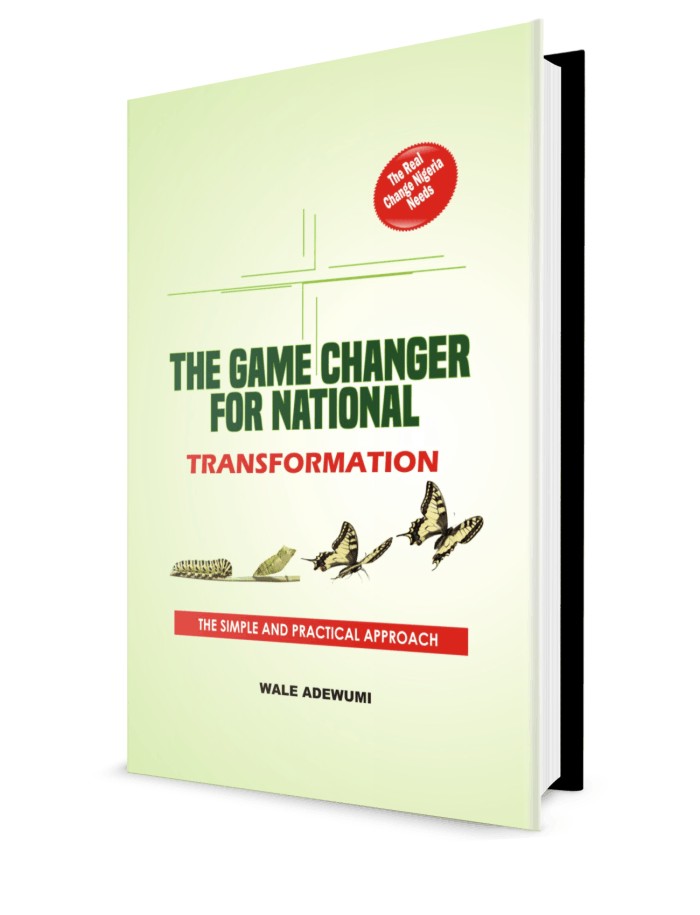
The Game Changer for National Transformation

You can get a copy of the book: The Game Changer for National Transformation. It’s packed with benefits, including opportunities to learn, earn through peer influence, and campaign for a better nation.

Get a copy of the book here

Join free of charge now! Thanks

Discover Unlimited Potential with Our GC Peer-to-Peer Model!

Unlock various opportunities while connecting with like-minded individuals. Our peer-to-peer model empowers you to:

✔️ Build a connected economy
✔️ Collaborate and grow within a supportive community
✔️ Earn GC Point, your gateway to income here

Don’t wait—step into a world of possibilities today!

To become a Leader and Ambassador, Click Link Now 

A Focused Life: Mastering Focus and Specificity(3)

A Focused Life: Mastering Focus and Specificity for Leadership and Nation-Building

What Does Excellence Cost?

Have you ever wondered what it truly takes to excel in academics, develop leadership qualities, or contribute meaningfully to nation-building? Excellence comes at a price, and it’s essential to understand what you’re investing in.

Take a moment to think about the “prices” you must pay to achieve excellence. Is it hard work, discipline, sacrifice, or consistency? Maybe it’s all of these and more. Reflect on your answers and write them down:

For Academic Excellence:

  1. _______________________________________
  2. _______________________________________
  3. _______________________________________

For Developing Good Character:

  1. _______________________________________
  2. _______________________________________
  3. _______________________________________

Remember, excellence—whether in academics, leadership, or character—is never an accident. It requires intention, effort, and focus. The good news? With the power of focus, you can attain these goals more efficiently.


The Power of a Focused Mind

Focus is the master key to unlocking success in life. When your thoughts and actions are clear, definite, and purposeful, you naturally move toward your goals. This definiteness of purpose separates people who hope for success from those who actively work towards it.

Think of the lion: it’s not the fastest, biggest, or even strongest animal in the jungle, yet it rules as the king of all animals. Why? Because the lion has focus. When it hunts, it locks onto its prey with unwavering concentration. In the same way, when you focus your mind and efforts, you maximize your chances of achieving your goals.


Activities to Sharpen Your Focus

Let’s explore how you can strengthen your focus in different areas of your life:

In School
What are the top three things you need to focus on to improve your academic performance?

  1. _______________________________________
  2. _______________________________________
  3. _______________________________________

At Home
What are three things you need to focus on at home to support your personal and leadership growth?

  1. _______________________________________
  2. _______________________________________
  3. _______________________________________

Set Specific Academic and Leadership Goals

Now let’s get specific. What are your academic goals for the next term or school year? Be honest and clear about the grades or leadership achievements you want to accomplish. When your goals are specific, they become easier to pursue.

  1. _______________________________________
  2. _______________________________________
  3. _______________________________________

Your Commitment Level

On a scale of 1 to 10, how committed are you to achieving these goals? Understand that your level of commitment will determine whether you succeed or fall short. The difference between leaders and followers is often found in how much they’re willing to invest in their future.

Rate your commitment level:


Key Exercises for Success

As you journey toward success, here are two critical questions you need to ask yourself regularly:

  1. Do you have the ability to focus and concentrate, or are you easily distracted?
  2. Are you ready to say NO to time-wasting activities that drain your energy and focus?

Great leaders and nation-builders are those who master the art of eliminating distractions and keeping their focus on what truly matters. Distractions, whether they come from social media, unproductive friends, or negative influences, can derail your progress. Learning to say no is a vital skill that will serve you well as you pursue your goals.


Choosing the Path of Focus for Leadership and Nation-Building

To build a great nation, you must first build yourself. Leadership starts with mastering your own mind and habits. When you develop focus and discipline in your personal life, you’re better equipped to take on challenges that impact your community and, ultimately, your country.

A focused leader doesn’t just achieve personal success—they uplift others and inspire them to strive for greatness. You have the power to influence your peers, your school, and even your nation by demonstrating the strength of a focused mind.

Think of your focus as the foundation for your future leadership. Just like the lion king, success in life comes to those who are able to zero in on their goals and chase them relentlessly.


Final Thoughts: Be the Lion in Your Journey

Success in any area—academics, leadership, or nation-building—requires focus. Now is the time to sharpen your focus and aim for the goals you’ve set for yourself. Just as the lion does not stop until it captures its prey, you must remain focused on your targets, no matter the obstacles.

Take control of your future, make focus your best friend, and rise to the challenge of leading not just yourself, but others, toward greatness. The nation needs focused, driven youths to lead it into a brighter tomorrow—are you ready to be one of them?

Discover Unlimited Potential with Our GC Peer-to-Peer Model!

Unlock various opportunities while connecting with like-minded individuals. Our peer-to-peer model empowers you to:

✔️ Build a connected economy
✔️ Collaborate and grow within a supportive community
✔️ Earn GC Point, your gateway to income here

Don’t wait—step into a world of possibilities today!

To become a Leader and Ambassador, Click Link Now 

A Focused Life: Mastering Focus and Specificity (2)

A Focused Life: Mastering Focus and Specificity for Life and Leadership Development


Don’t Build Your Life on Assumptions

Building your life on vague assumptions, “hoping for the best” or relying on trial-and-error approaches, is a surefire way to fall short of your potential. A focused life, especially for young leaders, doesn’t sway between “maybe” and “maybe not”—it is driven by specific, well-informed decisions. As the future leaders of your communities and nations, you must learn to base your actions on hard facts and clear goals.

Consider this: Would you build a house without a blueprint? In the same way, don’t leave your life or future up to chance. A great leader is one who is clear about their purpose and the steps needed to achieve it.


Common Distractions to Avoid

  • Indecision and Doubt: Successful leaders and students don’t waver between choices. Instead, they commit to one path and follow through with determination.
  • Trial and Error Mindset: Don’t attend school just for the sake of it. Have a specific vision for your education—know why you are there and what you want to achieve.
  • Overcommitment to Activities: It’s easy to get involved in many activities, but spreading yourself too thin leads to mediocrity. Instead, focus on a few key areas and excel in them.

Prioritize Your Primary Responsibilities

As a student and future leader, your primary responsibility is your education. This is the foundation upon which your future will be built. Just as a leader prioritizes the needs of their nation above personal desires, you must prioritize your academics above social activities or distractions.

When you focus on what matters most, you give yourself the best chance of success. A scattered focus dilutes your energy, but by concentrating on a few clear goals, you can maximize your potential.

Key Takeaways:

  • Specificity is Power: The clearer your goals, the more powerful your focus will be.
  • Visualize Your Success: Create a mental picture of what success looks like for you. Keep it in your mind as a motivator.
  • Avoid Unnecessary Distractions: Activities that don’t align with your purpose only serve to slow you down.
  • Prioritize What Matters: Make your academics your main focus, and carefully choose your other commitments.

The Power of Focus: Your Key to Success in Life and Leadership

To succeed in any area of life—whether it’s academics, personal growth, or leadership—one simple principle stands above all: be specific. A focused and clear path is essential for any young person looking to build a meaningful future. The clearer your target, the more efficiently you can work toward it. This rule applies to academics, leadership, or any aspect of personal development.

Think of it this way: in sports, the goalpost represents success. To score, you need to focus all your energy and aim your shot precisely. In life, your “goalpost” might be a high academic grade, a leadership role, or a personal achievement. The more effort you put into hitting that target, the more likely you are to succeed.

If you want a specific grade, focus your energy on studying in the right way. If you want to be a respected leader, focus on developing the skills necessary for leadership. The key is clarity and focus.


The Simple Rule of Focus for Students

As a young person striving for success, here is a guiding principle for mastering focus:

Know the rules, and then master them.

Understanding what is required for you to succeed is the first step. Whether it’s in academics, leadership, or personal growth, you need to know the expectations. What grades are necessary? What skills are essential for leadership? Once you understand the “rules,” the next step is to dedicate yourself fully to achieving excellence.

Pay the Price of Success
Excellence doesn’t come easily—it requires commitment. The difference between those who succeed and those who don’t often boils down to how much they are willing to sacrifice and work for their goals. As a student, you must dedicate yourself to studying hard, and as a leader, you must be ready to serve others and take responsibility.


Specificity in Leadership and Nation-Building

For those who aspire to leadership, the principles of focus and specificity are vital for nation-building. Great leaders don’t achieve success by accident—they have clear goals for their people, their nations, and themselves. If you want to make a real difference, start by setting specific, actionable goals for yourself.

How can you lead a community or nation if you are unsure of where you are going? Leaders like Nelson Mandela and Malala Yousafzai didn’t waver in their missions. They focused on a clear vision and stayed committed, despite the obstacles. Similarly, you must define what role you want to play in building your nation and stay focused on that path.


In Summary: Focus and Specificity are Your Keys to Success

  • Be Clear About Your Goals: Know what you want to achieve, whether in academics, personal development, or leadership.
  • Concentrate Your Energy: Don’t dilute your efforts by spreading yourself too thin. Focus on a few key areas and excel in them.
  • Prioritize What Matters: Make sure your primary responsibilities—like academics—are always at the top of your priority list.
  • Visualize Your Success: Keep your end goal in sight, and let it motivate you through challenges.

By mastering focus and specificity, you are not only preparing yourself for personal success but also laying the foundation for meaningful leadership and nation-building. You have the power to shape your future—and that of your community—through the strength of your focus. Now, take charge and move forward with purpose.